
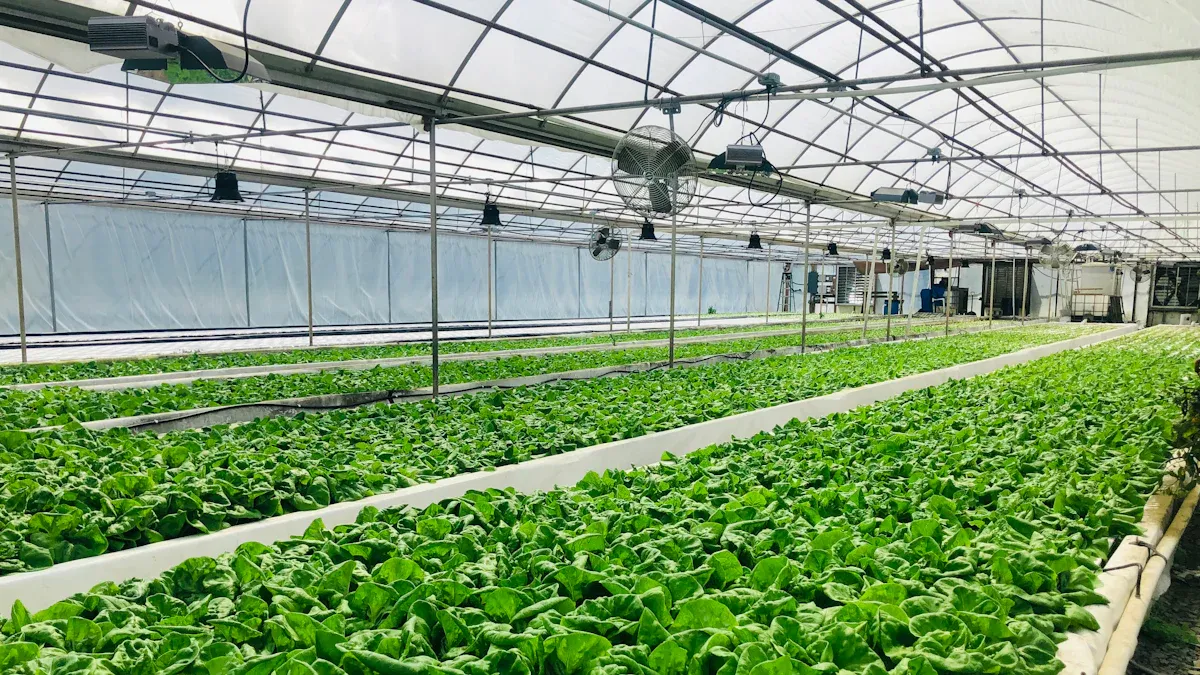
Hydroponics cultivates plants without soil, using nutrient-rich water. This method offers efficient growth. The global hydroponics market reached USD 38.14 billion in 2023. Diverse Hydroponic Systems exist, including NFT Hydroponic Systems, Ebb and Flow System, Vertical Hydroponic Towers, Vertical Planters / Vertical Green Walls, and Hanging Strawberry System, providing versatile growing solutions.
Key Takeaways
- Hydroponics grows plants in water with nutrients, not soil. This method helps plants grow faster and uses less water than traditional farming.
- Different hydroponic systems exist, like DWC, NFT, and Ebb and Flow. Each system works best for certain plants and has its own benefits and challenges.
- Choosing the right hydroponic system depends on your experience, the plants you want to grow, and how much space you have. Proper care and monitoring help plants grow well.
Understanding Hydroponic Systems Fundamentals
Essential Components of Hydroponic Systems
A functional hydroponic setup relies on several key elements. Growers need a container or reservoir to hold the nutrient solution. A grow tray houses the plants, often supported by net pots that contain a growing medium. An air pump and air stone are crucial for oxygenating the nutrient solution, preventing root rot. Specialized hydroponic nutrients, rich in essential macro and micronutrients, provide all necessary plant sustenance. For basic Hydroponic Systems, an all-in-one mineral fertilizer is often sufficient. Monitoring tools are also vital; a pH testing kit or meter helps maintain optimal pH levels, while an EC/PPM meter measures nutrient concentration. Indoor growers also require grow lights to simulate sunlight.
General Advantages of Hydroponic Growing
Hydroponic cultivation offers numerous benefits over traditional soil-based methods. Plants in these systems often grow 30-50% faster due to optimal nutrient delivery and reduced environmental stress. This method conserves water significantly, as systems recirculate water, leading to up to 90% less water usage compared to field farming. Hydroponics also allows for year-round growing, as it eliminates weather restrictions and provides a controlled environment. This leads to increased crop yields, with some systems producing substantially more food per square foot. Furthermore, the controlled environment reduces the need for herbicides and pesticides, resulting in safer crops.
General Disadvantages of Hydroponic Growing
Despite its advantages, hydroponics presents certain challenges. Initial setup costs are generally higher than traditional gardening, varying with system type and size. Hydroponic systems are also vulnerable to power outages; components like pumps and lights rely on electricity, and a prolonged outage can quickly damage crops. These systems demand constant monitoring and maintenance. Growers must regularly check nutrient solution parameters, flush, and clean components. A significant risk involves waterborne diseases; the continuous circulation of water can rapidly spread infections throughout the entire system, potentially destroying all plants within hours. Plants in hydroponic environments also react more quickly and negatively to problems like nutrient deficiencies or disease, as soil does not provide a buffer.
Deep Water Culture (DWC) Hydroponic Systems
What is DWC and How It Works
Deep Water Culture (DWC) is a straightforward hydroponic method. Plant roots are suspended directly in a nutrient-rich water solution. An air pump and air stone continuously oxygenate this solution, preventing root rot and promoting vigorous growth. Plants sit in net pots, often with a small amount of inert growing medium like rockwool, which provides initial support. The roots then grow down into the oxygenated nutrient solution, absorbing water and nutrients directly.
DWC Pros and Cons
DWC offers distinct advantages and disadvantages.
- Pros: Plants exhibit faster growth rates due to efficient nutrient and water absorption. Increased oxygenation from air stones promotes robust root development. Growers maintain precise control over nutrient delivery, adjusting levels for specific plant needs. The sterile environment minimizes soil-borne pests and diseases. DWC also conserves water through recirculation.
- Cons: DWC systems are sensitive to temperature fluctuations; warm water reduces dissolved oxygen, harming plants. Root rot risks exist if water is contaminated or temperatures rise. Initial setup costs can be higher due to equipment like pumps and air stones. Nutrient management requires regular monitoring of pH and nutrient levels to prevent imbalances. Power outages also pose a significant risk, as prolonged pump failure can quickly damage crops.
Ideal Crops for DWC
DWC is particularly well-suited for plants that thrive in consistently wet conditions and do not require extensive physical support.
- Suitable Crops: Basil, lettuce (e.g., Butterhead, Bibb, Romaine, Crisp Mint), kale, collard greens, chard, bok choy, and tatsoi are excellent choices. Celery can also grow successfully in colder temperatures.
- Characteristics: Ideal crops are typically small and lightweight, as the system offers limited physical anchoring. They should also be water-friendly, meaning they tolerate or prefer constant moisture.
Best Use Cases for DWC
DWC systems are ideal for home growers and small-scale operations focusing on leafy greens and herbs. Their simplicity and rapid growth rates make them popular for beginners. Commercial growers also utilize DWC for high-volume production of specific crops like lettuce, leveraging its efficiency and yield potential. The system’s design allows for space-efficient setups, making it suitable for indoor growing environments where maximizing yield in limited space is crucial.
Nutrient Film Technique (NFT) Hydroponic Systems
What is NFT and How It Works
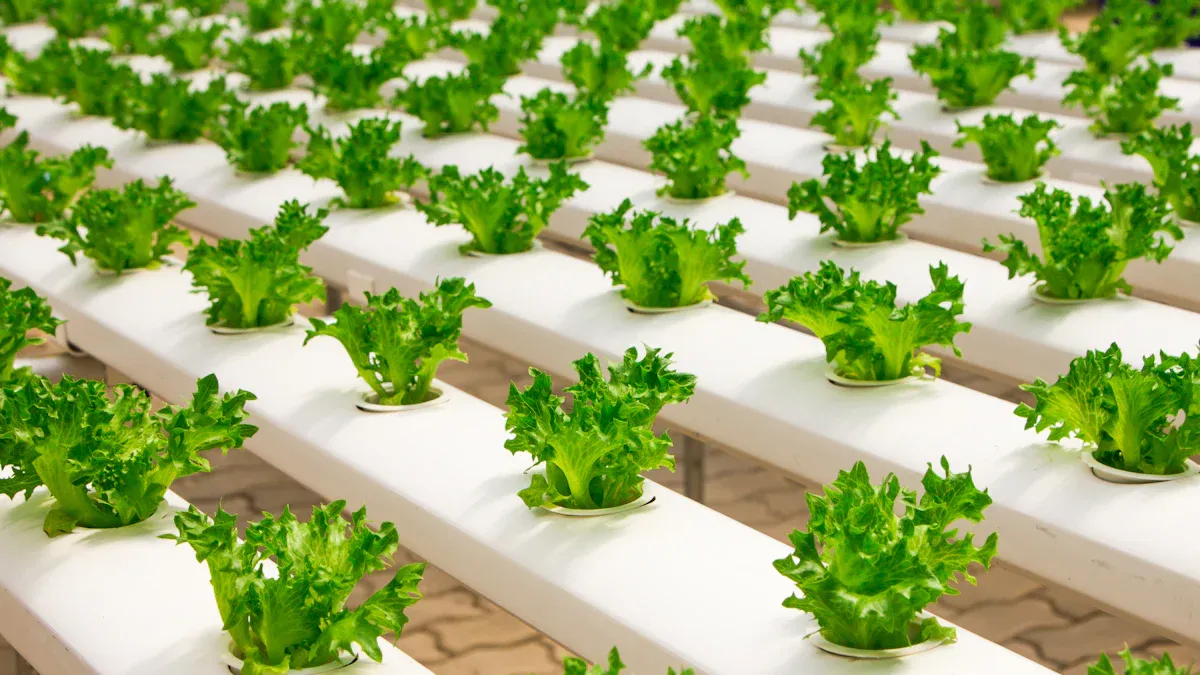
The Nutrient Film Technique (NFT) is a popular hydroponic method. It involves a continuous, shallow stream of nutrient-rich water flowing over plant roots. Plants sit in net pots within channels or gullies. A pump circulates the nutrient solution from a reservoir, allowing it to flow down the channels and return to the reservoir. This thin film of solution provides plants with water, nutrients, and oxygen. The roots absorb what they need from this flowing film.
NFT Pros and Cons
NFT offers several advantages and some challenges. Growers find NFT easy to set up and maintain. The flowing solution prevents root rot and requires less frequent monitoring of solution levels and pH. NFT is space-efficient due to its linear and shallow design, making it suitable for small areas. It is also resource-efficient, using less water, nutrients, and energy because only a thin layer of solution covers the roots. However, NFT systems have higher upfront costs for pumps, tubing, and reservoirs. They require more technical skills for proper setup, including understanding pump sizes and solution chemistry. The system is prone to flooding if power is lost, necessitating backup power solutions. It may also require frequent pH testing and adjustment due to potential pH drops from nutrient oxidization. Channels are susceptible to clogs, which can disrupt the system.
Ideal Crops for NFT
NFT systems are best suited for lightweight, fast-growing plants with shallow root systems. Common crops for NFT systems include lettuce, herbs (like basil, cilantro, mint, and parsley), spinach, arugula, kale, and Swiss chard. These plants thrive with the constant nutrient flow. Some fruiting plants, such as strawberries, dwarf peppers, and micro-dwarf tomatoes, can also grow successfully in NFT systems, especially with proper support. Researchers have evaluated micro-dwarf tomato cultivars in NFT systems, demonstrating their suitability due to compact size and early maturity.
Best Use Cases for NFT
NFT is an excellent choice for commercial operations focusing on leafy greens and herbs. Its space efficiency allows for stacked growth in tight areas, making it ideal for urban or vertical farming. The system’s design ensures optimal water and nutrient delivery, leading to quicker growth cycles and high-density, high-turnover crops. Many commercial growers use NFT for large-scale production of lettuce and other salad greens. Home growers also find NFT beneficial for cultivating herbs and leafy vegetables in limited indoor spaces. This Hydroponic Systems type maximizes space utilization effectively.
Ebb and Flow (Flood and Drain) Hydroponic Systems
What is Ebb and Flow and How It Works
Ebb and Flow, also known as Flood and Drain, is a popular hydroponic method. This system periodically floods a grow tray with nutrient solution, then drains it back into a reservoir. A submersible pump, controlled by a timer, initiates the flooding cycle. The nutrient solution rises to cover the plant roots, providing them with water and nutrients. After a set period, the pump turns off, and gravity drains the solution back into the reservoir. This cycle of flooding and draining ensures roots receive both nutrients and essential oxygen, mimicking natural wet and dry conditions.
Ebb and Flow Pros and Cons
Ebb and Flow systems offer several advantages and some challenges. They are generally safer and more forgiving than DWC systems, providing higher chances of success for growers.
-
Pros:
- Easy to set up, maintain, and use, even for beginners.
- Highly efficient for producing healthy, fast-growing plants due to better nutrient and water absorption.
- Versatile, supporting a wide variety of plants including fruits, herbs, and vegetables.
- Sustainable, using less water and nutrients than traditional soil methods, reducing waste.
- The timer automates most work, and the system is compatible with different grow media.
- Nutrient solution can be reused, and it helps reduce the risk of pathogens.
-
Cons:
- Prone to unstable pH levels, requiring regular monitoring.
- Risk of nutrient imbalances, which can lead to deficiencies or lockout.
- Potential for mold and algae growth if not cleaned regularly.
- Attracts insects like mosquitoes and fungus gnats due to standing water.
- Risk of breakdowns if not properly constructed, and pump failure can disrupt the flooding cycle.
- Requires more space compared to some other Hydroponic Systems.
Ideal Crops for Ebb and Flow
Ebb and Flow hydroponic systems are highly versatile and can accommodate a wide range of plant types. Nearly every crop can successfully grow in an Ebb and Flow system, highlighting its adaptability for various cultivation needs. This includes:
- Herbs
- Vegetables (such as lettuce and tomato plants)
- Leafy greens
- Flowers, including edible varieties, which thrive with complete environmental control, helping cultivate pest-free blooms.
Best Use Cases for Ebb and Flow
Ebb and Flow systems are excellent for both beginner and experienced growers due to their forgiving nature and versatility. Home gardeners find them ideal for cultivating a diverse range of plants, from herbs and leafy greens to fruiting vegetables and flowers. Commercial operations also utilize Ebb and Flow for producing various crops, especially those requiring consistent nutrient delivery and good root aeration. Their adaptability to different plant types and growing media makes them a popular choice for those seeking a robust and flexible hydroponic solution.
Drip Hydroponic Systems
What is a Drip System and How It Works
A Drip System delivers nutrient solution directly to individual plants. This method uses a pump to push the solution from a reservoir through a network of tubes. Small emitters at each plant’s base release the solution. This precise delivery ensures plants receive consistent hydration and nutrients. Drip systems can operate in two main ways: recovery systems recirculate excess solution back to the reservoir, while non-recovery systems drain the excess away.
Drip System Pros and Cons
Drip systems offer several advantages for growers. They deliver water and nutrients directly to individual plants, which is particularly beneficial for larger plants needing more space. Growers can customize nutrient and water supply per plant, minimizing water loss. These systems are simple and inexpensive to set up, offering reliable operation with infrequent system failures. Irrigation is easily managed, providing enhanced control over delivery. Drip systems are also highly adaptable and scalable for various growth stages, requiring less maintenance compared to other Hydroponic Systems. However, drip systems also present challenges. They require more materials, especially for distribution hoses. Drip emitter clogging is a common issue. Non-recovering systems result in water wastage. If a water recycling system is used, reservoir maintenance becomes intensive. The system can also be overly complex for very small-scale operations.
Ideal Crops for Drip Systems
Drip systems are well-suited for plants that require precise nutrient delivery and can grow quite large. These systems effectively support crops with higher water and nutrient demands. Ideal crops for drip systems include tomatoes and peppers. Strawberries also thrive in this environment, benefiting from the controlled and consistent nutrient supply.
Best Use Cases for Drip Systems
Drip systems are excellent for commercial operations and for growing larger, fruiting plants. Their ability to customize nutrient delivery makes them suitable for crops with varying needs throughout their growth cycle. Many large-scale hydroponic farms utilize drip systems for efficient and high-yield production of vegetables like tomatoes and peppers. Home growers with a focus on these specific crops also find drip systems highly effective.
Aeroponic Hydroponic Systems
What is Aeroponics and How It Works
Aeroponics represents an advanced form of hydroponics. This method grows plants in an air or mist environment. Plant roots suspend in the air within a contained growing chamber. High-pressure pumps deliver a fine mist of nutrient solution directly to the roots. This mist provides plants with essential water and nutrients. The roots also receive abundant oxygen from the surrounding air, promoting rapid and healthy growth.
Aeroponics Pros and Cons
Aeroponic Hydroponic Systems offer significant advantages. Plants grow more quickly due to efficient nutrient mist delivery and increased oxygen exposure to roots, leading to quicker harvests. The system mists roots with nutrient solution, using less water than traditional methods. It also ensures precise nutrient delivery without waste. Aeroponics allows for vertical growing, maximizing potential in limited spaces. However, challenges exist. The required equipment and technology can be expensive to acquire initially. The system demands more technical knowledge for understanding mechanics and maintenance. A common issue involves spray nozzles clogging, which can disrupt nutrient delivery. Furthermore, the system relies on continuous operation; any failure in the misting system can quickly harm plants, necessitating regular monitoring and maintenance.
Ideal Crops for Aeroponics
Aeroponic systems excel with specific plant types. Ideal crops include leafy greens such as spinach, lettuce, watercress, and kale. Herbs like basil, coriander, parsley, and mint also thrive. Microgreens and shoots, including broccoli, pea shoots, and sunflower shoots, perform exceptionally well. Specific crops show outstanding results. Lettuce achieved an average of 173 kg/m²/year, exceeding targets and showing improved quality. Watercress trials yielded significant increases, reaching 2 kg/m² in 14 days. Spinach yields increased by over 38% compared to hydroponics, maintaining healthy roots and showing minimal bolting. High-value crops like strawberries, basil, mint, and parsley adapt well, offering continuous yield and profitability.
Best Use Cases for Aeroponics
Aeroponics is particularly suitable for commercial operations and research and development. Its ability to maximize space makes it ideal for vertical farms in urban environments. Commercial growers utilize aeroponics for high-density production of leafy greens, herbs, and strawberries, benefiting from faster growth cycles and efficient resource use. Researchers also employ aeroponic systems for studying plant growth, nutrient uptake, and propagation of various crops, including medicinal cannabis and tree whips. The precise control over the root environment allows for optimized conditions and consistent results.
Wick Hydroponic Systems
What is a Wick System and How It Works
A Wick System is one of the simplest Hydroponic Systems. It uses passive action to deliver nutrient solution to plants. A reservoir holds the nutrient-rich water. Wicks, typically made of felt or nylon, extend from the reservoir into the growing medium. Capillary action draws the nutrient solution up the wicks and into the medium, where plant roots absorb it. This continuous, gentle supply of water and nutrients makes the wick system a low-tech option.
Wick System Pros and Cons
Wick systems offer distinct advantages and disadvantages. They are very easy to set up, making them suitable for beginners due to minimal equipment and quick assembly. With no moving parts, these systems require little maintenance and operate passively without pumps or timers. They are also cost-effective, using basic materials like a reservoir, growing medium, and wicks. Wick systems are versatile; they can grow various plants, including herbs, leafy greens, and small flowering plants, and accommodate different growing mediums. They are water-efficient, using passive wicking to deliver water from the reservoir to plant roots, reducing waste.
However, wick systems offer limited control over nutrient levels, which can lead to imbalances or inadequate nutrition. Their passive nature can result in slower growth compared to systems with active nutrient circulation. They are susceptible to clogging if inappropriate growing mediums or wicks are used, hindering water and nutrient flow. Wick systems are best for small-scale or hobbyist gardening and less practical for larger commercial operations. Their passive design makes them vulnerable to environmental fluctuations like temperature and humidity, which can disrupt wicking action.
Ideal Crops for Wick Systems
Wick systems are best suited for plants with low water and nutrient demands. These systems work well for smaller, less thirsty plants. Ideal crops include Swiss Chard, Radish, Beans, Tomatoes, Peppers, Eggplant, and Cucumbers. These plants can thrive with the consistent, passive nutrient delivery provided by a wick system.
Best Use Cases for Wick Systems
Wick systems are excellent for beginners and small-scale home growers. Their simplicity, low cost, and minimal maintenance make them an ideal entry point into hydroponics. They are perfect for growing herbs, leafy greens, and small flowering plants indoors or in limited spaces. Educational settings also use wick systems to demonstrate basic hydroponic principles due to their straightforward design.
Kratky Method Hydroponic Systems
What is the Kratky Method and How It Works
The Kratky Method is a passive hydroponic technique. It requires no electricity, pumps, or moving parts. Plants sit in net pots, suspended above a reservoir containing a nutrient solution. Initially, the plant roots are submerged in the solution. As the plant grows and consumes water, the solution level drops, creating an air gap between the solution and the net pot. This air gap exposes the roots to oxygen, while the lower roots remain in the nutrient solution. This design allows for continuous growth without intervention.
Kratky Method Pros and Cons
The Kratky Method offers distinct advantages and some limitations. It requires no electricity, making it ideal for off-grid or low-tech setups. Growers appreciate its low maintenance due to the absence of moving parts, pumps, or timers. The system is affordable, utilizing inexpensive and reusable materials. It serves as an excellent starting point for beginners, being easy to understand and implement. However, the method limits growers to shorter-growing or smaller plants unless they scale the system up. A risk of water stagnation exists if growers do not properly monitor the system. Furthermore, growers cannot adjust nutrient levels mid-grow without disturbing the system. For commercial scales, controlling variables like pH and nutrient solution becomes difficult, as individual tank adjustments are labor-labor-intensive. Cleaning numerous tanks also becomes very time-consuming.
Ideal Crops for the Kratky Method
The Kratky Method suits a variety of crops, particularly those with moderate water and nutrient demands. Leafy greens like lettuce, spinach, and kale thrive in this system. Lettuce varieties such as Romaine and Butterhead grow quickly, often within 30-45 days. Herbs like basil, mint, and cilantro also perform well. Basil, for instance, is fast-growing and aromatic. Smaller fruiting vegetables, including dwarf varieties of peppers, tomatoes, and compact cucumbers, can also succeed with larger containers and more nutrients. Cherry tomatoes and patio tomatoes are good choices, though they require more support.
Best Use Cases for the Kratky Method
The Kratky Method is perfect for home gardeners and educational projects. Its simplicity and low cost make it an accessible entry point into hydroponics. Beginners can easily set up and manage small systems for growing herbs or leafy greens on a windowsill or balcony. It also serves as an effective demonstration tool for basic plant science principles. While not typically used for large-scale commercial operations due to its passive nature and difficulty in variable control, it remains a popular choice for personal consumption and small-scale, low-maintenance gardening. This Hydroponic Systems approach offers a straightforward path to growing fresh produce.
Dutch Bucket (Bato Bucket) Hydroponic Systems
What are Dutch Buckets and How They Work
Dutch Bucket systems, also known as Bato Buckets, represent a popular recirculating hydroponic method. Individual buckets, typically filled with an inert growing medium like perlite or coconut coir, house plants. A shared nutrient reservoir supplies nutrient solution to each bucket via a drip irrigation system. The solution drips onto the plant roots, and excess solution drains from the bottom of the buckets through an overflow pipe, returning to the main reservoir. This continuous recirculation ensures plants receive consistent hydration and nutrients while conserving water.
Dutch Bucket Pros and Cons
Dutch Bucket systems offer distinct advantages and some challenges for growers. They provide versatility, allowing cultivation of a wide variety of plants such as tomatoes, cucumbers, and peppers, maximizing growing space. The system uses a drip irrigation method for efficient nutrient delivery directly to plant roots. Its space-saving design enables vertical and compact arrangements, ideal for greenhouses or grow rooms. However, the system presents a risk of disease spread because a single nutrient solution connects all buckets; if one plant becomes infected, disease can quickly propagate. Dutch Bucket systems also have a high initial cost, requiring investment in buckets, growing medium, and drip irrigation components. They demand regular maintenance, including monitoring nutrient levels, checking for irrigation clogs, and ensuring the growing medium’s condition, which can be time-consuming. Achieving optimal results also necessitates knowledge of growing media, nutrient amounts, feeding timing, and plant support.
Ideal Crops for Dutch Bucket Systems
Dutch Bucket systems are particularly well-suited for larger, vining plants that require substantial support and consistent nutrient delivery. Growers commonly cultivate tomatoes, which are among the most frequently grown crops in commercial hydroponics. These vining plants can grow very tall, requiring trellising and lean-and-lower systems for management, with a growth time of 8–11 months and needing 24–36 inches between buckets. Cucumbers also thrive, especially with vertical trellising. Other ideal crops include peppers, beans, eggplants, and zucchinis. Essentially, virtually any vining plant can succeed in a Dutch Bucket setup, provided it receives adequate spacing for air circulation and sunlight.
Best Use Cases for Dutch Bucket Systems
Dutch Bucket systems are an excellent choice for commercial operations and serious home growers focusing on larger, fruiting plants. Their design efficiently supports vining crops, making them ideal for high-yield production of tomatoes, cucumbers, and peppers. The system’s ability to manage individual plants with precise nutrient delivery, combined with its space-saving potential, makes it suitable for greenhouse environments or controlled indoor farms. Growers who prioritize efficient resource use and consistent harvests of specific, high-value crops often find Dutch Buckets to be a highly effective Hydroponic Systems solution.
Choosing the Right Hydroponic System
Selecting the appropriate hydroponic system is crucial for successful cultivation, whether one is a novice, an experienced grower, or a commercial operator. Different systems cater to varying needs, plant types, and operational scales. Understanding these distinctions helps growers make informed decisions.
Factors for Beginners
Beginners often seek simplicity and ease of use when starting with hydroponics. Several factors guide their choice. Growers consider light height; a shallower minimum height benefits seed germination and compact storage, while a higher maximum height accommodates taller plant growth without burning. Ease of cleaning is also important; systems that disassemble easily simplify maintenance between planting rounds. Additional features like nutrient reminders, vacation modes, or app connectivity can enhance convenience. Cost remains a key consideration, as systems vary widely in price. Aesthetics also play a role for those who want a system that complements their decor.
The amount of growing tray spots helps plan for proper plant spacing and considers the unit’s overall size. Water level visibility and filling access are practical features; a clear window or buoy and a conveniently located fill port simplify daily care. A customizable automatic light schedule ensures plants receive consistent light without constant manual adjustment. Beginners also assess plant type; herbs and leafy greens are low-maintenance, requiring minimal root space and sunlight. Fruiting vegetables, however, demand more light and root space. Sunlight availability dictates the need for grow lights, especially for indoor setups. Placement (wall, table, or floor) influences system choice, with vertical systems for walls or compact units for countertops. Electricity access is vital for most systems, requiring a safe outlet. If electricity is unavailable, solar-powered systems or passive methods like DWC are options. Food-safe materials (e.g., UPVC, PP, PET) prevent harmful chemical leaching. Easy cleaning with removable components prevents residue buildup and pathogens. Growers calculate the number of plants needed, often aiming for 1-2 units per person for staggered harvesting. Manufacturer support provides assistance with challenges. Finally, ease of purchase, setup, and maintenance, including clear instructions and accessible reservoirs, aligns the system with specific goals and the growing environment.
Factors for Experienced Growers
Experienced growers upgrading or expanding their operations focus on optimizing yield and efficiency. They prioritize proper lighting, often choosing LEDs for their efficiency and lifespan, ensuring coverage across the entire growing area. Precise nutrient management is essential; growers follow feeding schedules, starting with reduced dosages, and regularly monitor and adjust pH levels. They understand specific plant nutrient requirements to prevent deficiencies or burn. Water quality receives close attention, avoiding tap water with harmful chemicals and maintaining appropriate water temperature (18-22°C) to prevent thermal shock and optimize dissolved oxygen.
Adequate air circulation and oxygenation are critical. Growers use air stones or diffusers in the nutrient solution and fans for fresh air circulation to prevent root suffocation and hindered nutrient uptake. Environmental control involves monitoring and adjusting humidity and temperature levels to prevent issues like mold, desiccation, or stunted growth. Proper ventilation avoids pathogen growth or plant shock. Continuous training and research help growers understand plant physiology, nutrient management, and system maintenance for optimal plant health. Experienced growers also consider advanced techniques like large-scale drip systems and aeroponic systems to increase yield. Large-scale drip systems offer precise control over water flow with advanced timers, reduce runoff, and boost crop output, though they require substantial investment and can face clogging issues. Aeroponic systems, which mist nutrient solutions onto suspended roots, promote rapid growth and reduce water consumption, making them efficient for commercial operations. Both systems maximize profits through sustainable practices but require careful management. Essential supporting equipment includes quality grow lights (LED technology is recommended), proper ventilation with inline fans, environmental monitoring with temperature and humidity sensors, and pH and nutrient meters. A quality grow tent provides a controlled environment.
Factors for Commercial Operations
Commercial hydroponic operations demand thorough planning and consideration before implementing this innovative farming method. Determining scale involves assessing market demand, available resources, and financial capacity. Choosing the right system, such as NFT, DWC, or vertical farming, aligns with specific goals and resources. Selecting a suitable location requires ample lighting, access to water and electricity, and sufficient room for growth, meeting the specific needs of the system and crops. Acquiring necessary equipment and supplies, including grow lights, water tanks, nutrient solutions, grow media, and ventilation systems, involves researching reputable suppliers and comparing prices. Adhering to legal and regulatory requirements, including permits, licenses, food safety regulations, zoning restrictions, and environmental regulations, is also crucial.
Commercial ventures face substantial initial investment costs for equipment and infrastructure, viewing this as a long-term investment. Constant monitoring and adjustment of temperature, humidity, lighting, and nutrient levels are necessary; advanced monitoring systems streamline this process. Implementing integrated pest management (IPM) strategies, such as biological controls and proper sanitation, addresses pests and diseases. Regular inspections and early detection are vital. Finding a market involves educating consumers about benefits and establishing alliances with local markets, restaurants, and grocery stores. Continuous education and staying updated on industry trends, networking with other farmers, and attending workshops are also important. Risk mitigation includes having a backup plan and diversifying crop selection. Commercial operations often start small and scale up. They implement pilot programs to test the system, measure performance, and assess feasibility on a small scale. Gradual expansion increases operations incrementally as processes refine and demand grows, by adding units, expanding cultivation area, or diversifying crops. Planning for increased crop yield involves designing systems for minimal water, nutrient, and energy use, utilizing sensors and automation for control. Yield optimization includes investing in R&D for new growing techniques, crop genetics, and system configurations. Space optimization uses multi-layer growing systems, such as vertical towers, racks, and shelves, to maximize vertical space and crop output. Hydroponic greenhouse structures provide climate control, year-round growth, and integrated pest management. Adaptive design creates a modular layout for easy adjustment and scaling. Workforce and labor management benefit from automation technologies for tasks like planting, harvesting, and maintenance, reducing labor costs. Identifying and streamlining manual tasks with operational and task management systems optimizes workforce deployment. A well-planned, efficient Hydroponic Systems is critical for large-scale operations to optimize space, resources, plant health, and productivity. The planning phase components include system design, nutrient delivery, environmental controls, and crop selection.
Matching System to Plant Type
Matching the hydroponic system to the specific plant type optimizes growth and yield. Different plants have unique requirements for water, nutrients, and root space.
| Plant Type | Hydroponic System | Characteristics |
|---|---|---|
| Leafy Greens | Nutrient Film Technique (NFT), Deep Water Culture (DWC), Kratky Method | These plants grow fast, require less support, and thrive in consistent moisture. Examples include lettuce, spinach, kale, Swiss chard, arugula, basil, mint, and chives. |
| Fruiting Plants | Drip System, Ebb and Flow (Flood and Drain), Dutch Buckets (Bato Buckets) | These plants require more structural support and precise nutrient delivery. They often benefit from a dry period between watering cycles. Examples are tomatoes, peppers, cucumbers, strawberries, eggplants, peas, and beans. |
| Root Vegetables | Deep Water Culture (DWC), Aeroponics, Vertical Hydroponics | These vegetables need ample space for root development and benefit from oxygen-rich nutrient solutions. Radishes, carrots, potatoes, beets, ginger, and turmeric are examples. |
| Herbs | Nutrient Film Technique (NFT), Deep Water Culture (DWC), Kratky Method, Wick System | Herbs are generally adaptable; many are compact and grow well in various systems. Basil, mint, cilantro, parsley, oregano, thyme, rosemary, and dill are common choices. |
| Flowers | Drip System, Ebb and Flow, Vertical Hydroponics | Flowers are grown for aesthetic appeal or as edible varieties. Petunias, impatiens, marigolds, snapdragons, pansies, nasturtiums, and calendula are examples. |
| Cannabis | Deep Water Culture (DWC), Aeroponics, Drip System, Ebb and Flow | This plant requires precise control over nutrients, pH, and environmental conditions for optimal growth and yield. |
| Legumes | Deep Water Culture (DWC), Drip System, Ebb and Flow | Legumes grow for their pods or seeds; some varieties may require support. Peas and beans are examples. |
| Grains | Deep Water Culture (DWC), Nutrient Film Technique (NFT) | Grains are less common in home hydroponics but can be grown for experimental purposes. Wheat and barley are examples. |
| Exotic Fruits | Drip System, Dutch Buckets | These fruits may require specialized care and environmental conditions. Dwarf citrus and passion fruit are examples. |
| Microgreens | Wick System, Nutrient Film Technique (NFT) | Microgreens offer a quick harvest and often grow in shallow trays with minimal root space. Radish, broccoli, kale, arugula, basil, and cilantro are examples. |
Advanced Hydroponic Systems and Applications
Automation and Monitoring in Hydroponics
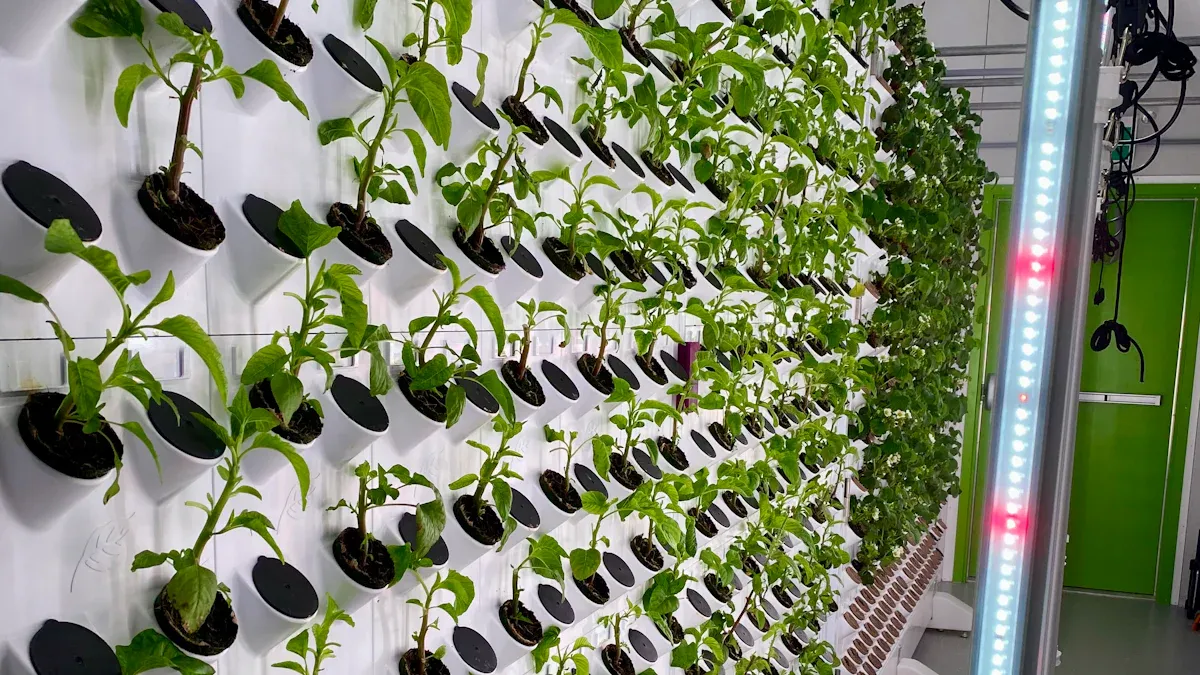
Advanced Hydroponic Systems leverage sophisticated technologies for optimal plant growth. Artificial Intelligence (AI) provides predictive analysis, determining plant health and automatically adjusting environmental factors. The Internet of Things (IoT) connects sensors, cameras, and climate control systems, enabling real-time monitoring and remote management. Industrial Internet of Things (IIoT) extends these capabilities with robust industrial-grade hardware and sophisticated automation for large-scale commercial activities. Middleware communication technologies facilitate seamless data exchange between IoT devices and AI algorithms, improving performance and decision-making. Sensors collect crucial data, while actuators and robotics enable fully automated smart farms, from sowing to packaging.
Environmental Control for Optimal Growth
Precise environmental control is paramount for maximizing hydroponic yields. Growers maintain a general temperature range of 65°F to 75°F (18.3°C to 23.9°C) for mixed crop production. Temperatures exceeding 85°F (29.4°C) significantly decrease plant health. Most hydroponic facilities keep relative humidity between 50% and 60% for optimal plant health. Ventilation and air circulation are crucial to prevent high humidity levels from reducing plant growth. The nutrient solution’s optimal water temperature is 18-22°C (65-72°F). This range optimizes root metabolism and nutrient uptake, ensuring consistent results and maximizing crop potential.
Commercial Scalability and Design
Commercial operations require scalable designs and efficient management. Advanced automation and precise environmental controls contribute to consistent, high-quality yields, making large-scale production feasible. Designing for commercial scale involves implementing modular layouts and robust infrastructure. These elements ensure efficient expansion and sustained productivity, meeting market demands effectively. Businesses can achieve significant output by integrating these advanced features into their Hydroponic Systems.
Maintaining Your Hydroponic Systems
Maintaining Hydroponic Systems ensures their longevity and optimal plant health. Regular attention prevents common issues and maximizes yields. Growers must implement consistent maintenance routines.
Essential Maintenance Practices
Effective maintenance involves a structured approach to daily and periodic tasks. This ensures the system operates efficiently and plants thrive.
| Frequency | Tasks |
|---|---|
| Daily | Check water levels and top off as needed. Monitor pH levels and adjust if necessary. Inspect plants for signs of pests, diseases, or nutrient deficiencies. Check the temperature of the nutrient solution and adjust if needed. Ensure proper air circulation and ventilation. |
| Weekly | Clean and sterilize reservoirs and growing trays. Replace the nutrient solution entirely. Flush the system with plain water to prevent nutrient buildup. Inspect and clean pumps, air stones, and tubing. Prune plants as needed to encourage growth and remove dead or yellowing leaves. |
| Bi-Weekly | Check and calibrate pH and EC meters. Inspect and clean filters. Replace air stones if they are clogged or damaged. |
| Monthly | Deep clean the entire hydroponic system, including all components and growing media. Inspect and replace any worn-out or damaged parts. Test water quality for impurities and contaminants. |
| Quarterly | Replace nutrient solution and flush the system thoroughly. Inspect and clean all components, including pumps, tubing, and growing media. Calibrate pH and EC meters. |
| Annually | Replace all growing media. Inspect and replace any worn-out or damaged parts. Deep clean and sterilize the entire system. |
| As Needed | Adjust lighting schedules and intensity based on plant growth and development. Provide supplemental nutrients or treatments if plants show signs of deficiencies or stress. Address any pest or disease issues promptly. Repair or replace any malfunctioning equipment. |
| Before Planting | Clean and sterilize the entire system. Prepare the nutrient solution and adjust pH levels. Test water quality. |
| After Harvest | Clean and sterilize the entire system. Dispose of old growing media. Prepare for the next planting cycle. |
Common Problems and Solutions
Growers often encounter specific challenges. pH imbalances can hinder nutrient uptake; adjust pH with appropriate solutions. Nutrient deficiencies appear as discolored leaves; replenish the nutrient solution or add specific supplements. Algae growth competes for nutrients and oxygen; block light from the reservoir and clean regularly. Pump failures interrupt nutrient delivery; always have a backup pump or repair promptly.
Nutrient Management Tips
Proper nutrient management is crucial. Always use hydroponic-specific nutrients. Follow manufacturer instructions for mixing ratios. Regularly test the Electrical Conductivity (EC) or Parts Per Million (PPM) to monitor nutrient concentration. Maintain the nutrient solution temperature between 65-72°F (18-22°C) for optimal root health and nutrient absorption.
Future Trends in Hydroponic Systems
Hydroponic Systems continue to evolve rapidly. Future trends focus on sustainability, advanced technology, and urban integration. These innovations promise more efficient and productive growing methods.
Sustainable Practices and Innovations
The future of hydroponics emphasizes sustainable practices and innovative designs. Multi-layered growing systems increase cultivation density, optimizing light and nutrient management in limited spaces. Urban farming applications integrate hydroponic equipment into city environments, such as rooftops, supporting local food production and reducing transportation needs. Advanced LED lighting solutions mimic natural sunlight, offering adjustable intensity and duration for optimal plant growth and energy efficiency. Water conservation technologies, like closed-loop systems and water recycling methods, minimize waste by continuously circulating and filtering water. Eco-friendly materials and designs, including biodegradable growing media and sustainable infrastructure, further reduce environmental impact. AI-driven technologies, with predictive analytics and machine learning, make systems smarter and more efficient.
AI and IoT Integration
Artificial Intelligence (AI) and the Internet of Things (IoT) are transforming hydroponics. IoT-connected sensors provide real-time monitoring of nutrient concentration (EC), pH, temperature, oxygen, CO2, and light. Predictive AI analytics forecast when nutrient solutions need changing or alert growers to potential issues like nutrient lockout or equipment malfunction. App-controlled automation allows growers to manage systems, adjust lighting, irrigation, and nutrient cycles, and receive maintenance reminders via smartphones. This integration leads to improved resource management, optimizing water and nutrient usage. It also enhances crop resilience, as predictive capabilities help mitigate issues like nutrient deficiencies and pest infestations. AI models can scale to larger hydroponic systems, benefiting both small-scale and commercial farming operations.
Urban and Vertical Farming
Urban and vertical farming represent significant future trends. These methods maximize space in densely populated areas. Vertical farms use multi-layered growing systems, stacking plants vertically to increase yield per square foot. This approach makes food production feasible within city limits, enhancing food security and reducing the carbon footprint associated with traditional agriculture. Urban farming applications integrate hydroponic equipment into existing city structures, like unused buildings or rooftops. This brings fresh produce closer to consumers. These systems often incorporate advanced automation and environmental controls, ensuring optimal growth in controlled urban environments.
This guide explored diverse Hydroponic Systems, from simple wicks to advanced aeroponics. Growers discover a suitable method for their needs. They can begin their hydroponic journey by researching plant requirements and selecting an appropriate system.
FAQ
What is the easiest hydroponic system for beginners?
The Wick System and Kratky Method are ideal for beginners. They require minimal equipment and offer simple operation.
Can all plants grow in a hydroponic system?
Most plants can grow hydroponically. However, some plants, like large root vegetables, may require specialized systems for optimal growth.
How frequently should I replace the nutrient solution?
Growers typically replace the nutrient solution weekly. This practice ensures plants receive fresh nutrients and prevents imbalances.