
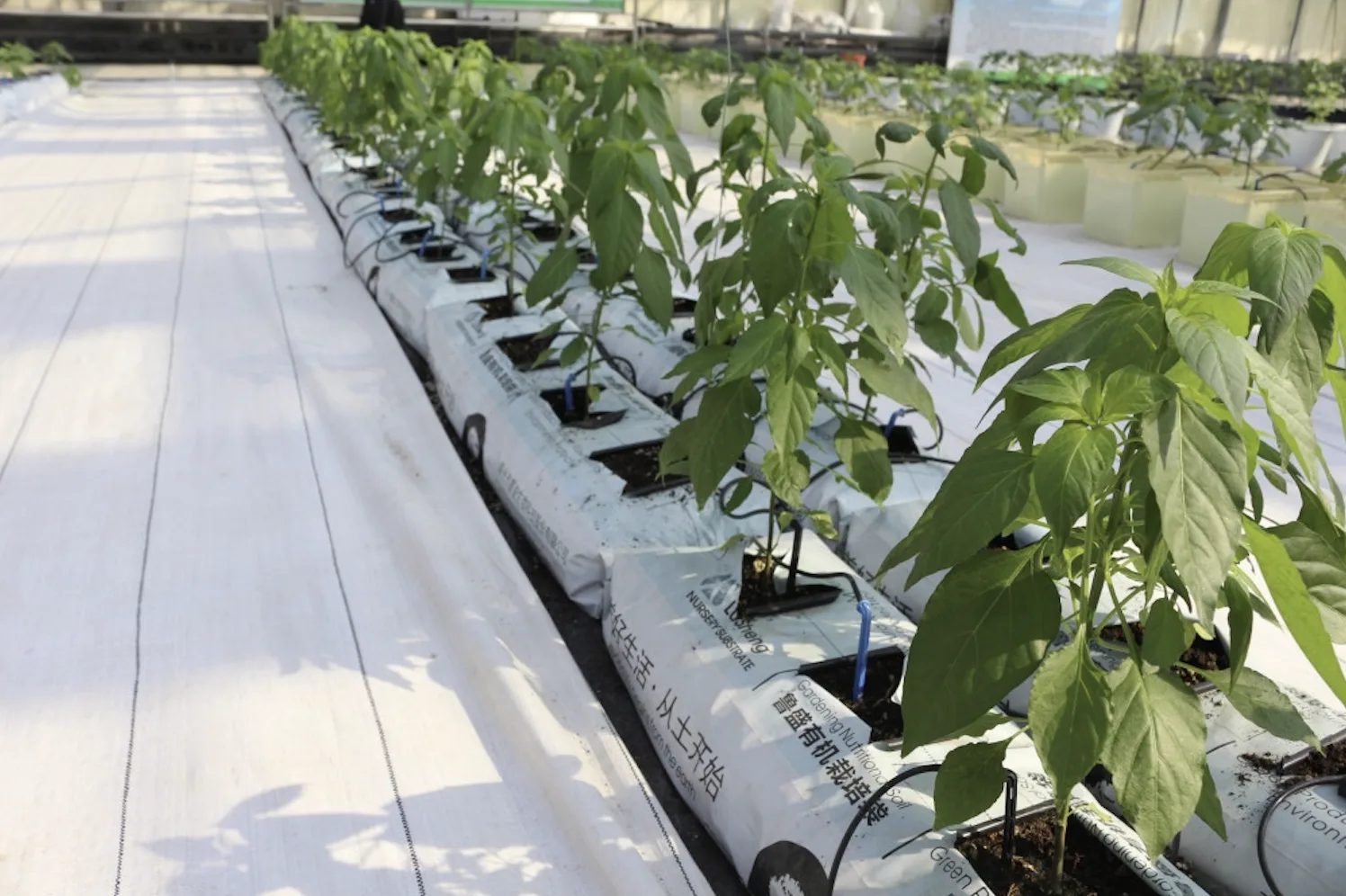
Substrate culture is a soilless growing method where plants develop roots in an engineered medium instead of natural field soil. The substrate supports roots physically, stores water, retains oxygen, and helps deliver nutrients through irrigation systems. Common substrates include coco coir, perlite, rockwool, peat alternatives, bark fiber, and clay aggregates. Substrate culture is widely used in greenhouses, hydroponic farms, urban agriculture, and home container production. According to the Food and Agriculture Organization (FAO), protected cultivation systems can improve land productivity and water-use efficiency in limited-space agriculture. The key advantage of substrate culture is root-zone control: growers can manage moisture, nutrition, and aeration more precisely than many soil-based systems.
What Is Substrate Culture?
Substrate culture is a cultivation system where plants grow in an inert or semi-organic medium rather than ground soil. The substrate does not need to supply all nutrients. Instead, nutrient solution is usually applied through drip irrigation or controlled watering.
It’s not a single product, but rather a soilless cultivation technology. Simply put, it involves using solid materials (substrates) to anchor crop roots instead of natural soil, and providing the plants with the necessary water and nutrients through nutrient solutions.
Substrate cultivation is a crucial component in agricultural technology and greenhouse engineering.
Common substrate culture media include:
Coco coir
Perlite
Rockwool
Vermiculite
Clay pebbles
Bark fiber blends
Many beginners use hydroponic planter systems because substrate growing is cleaner and easier to manage indoors.
Advantages of Substrate Cultivation
Completely Eliminates Land Limitations: Cultivation can be carried out in saline-alkali land, deserts, and even rooftops, avoiding the obstacles of continuous cropping in soil (such as soil-borne diseases).
Precise Nutrient Control: Nutrient solutions can be precisely formulated according to the plant’s growth stage, resulting in faster growth and higher yields compared to soil cultivation.
Water and Fertilizer Conservation: Combined with drip irrigation systems, water and fertilizer utilization rates are extremely high.
Higher Product Quality: Vegetables and fruits grown in this substrate are cleaner and have lower heavy metal content.
How Does Substrate Culture Work?
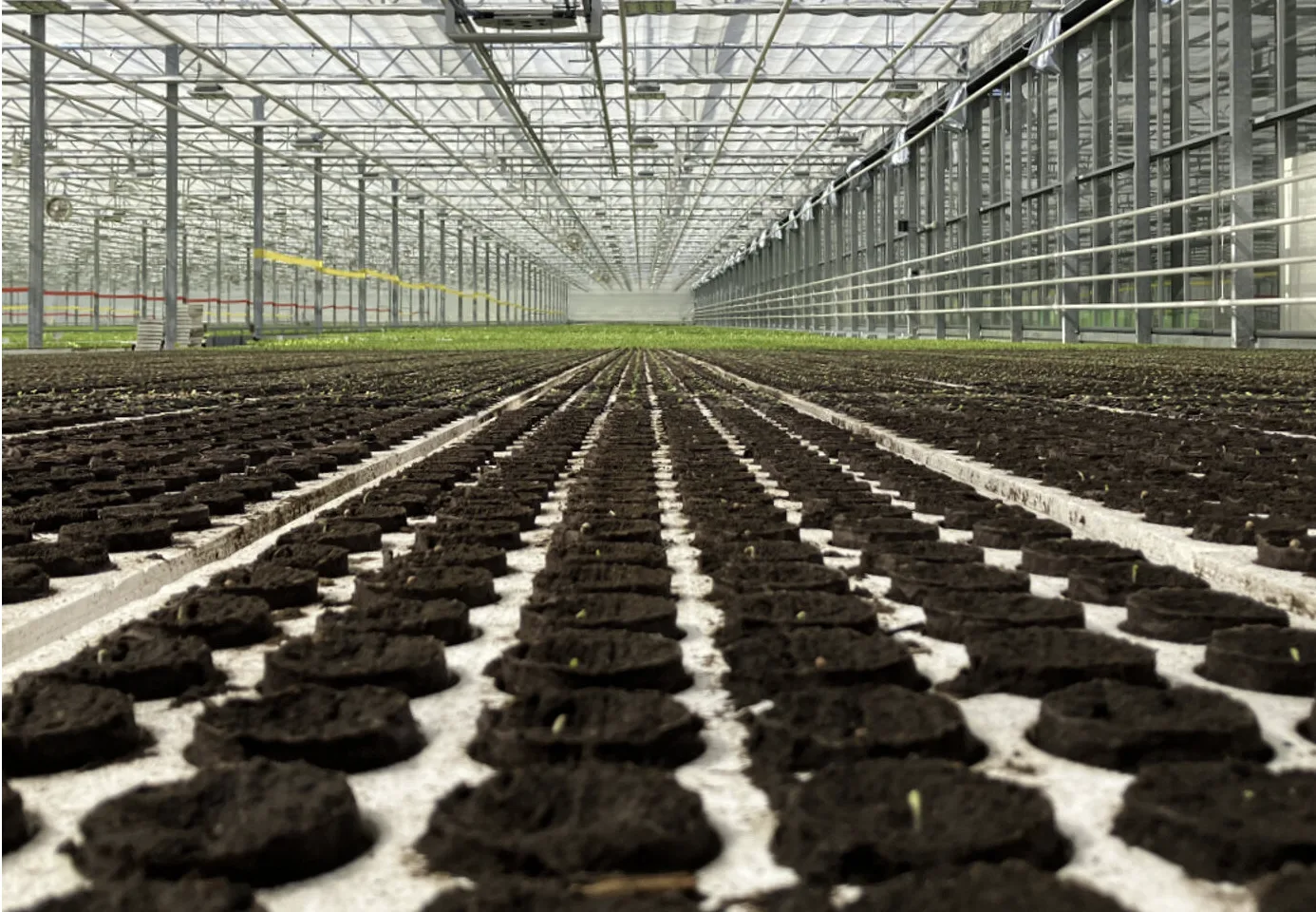
Substrate culture separates root support from nutrition. Soil naturally combines both functions. In substrate cultivation, the medium anchors roots while fertilizer solution provides minerals.
Basic operating process:
Fill containers or channels with substrate
Plant seedlings or seeds
Irrigate with balanced nutrient solution
Drain excess water or recirculate runoff
Monitor pH and EC levels
Adjust watering frequency by climate and crop stage
The U.S. Department of Agriculture (USDA) identifies controlled environment systems as an important tool for specialty crop production and resource management.
Small-space growers often combine substrate systems with vertical garden planters to maximize usable area.
Main Types of Substrate Culture Systems
Different crops and production scales require different delivery methods. Some systems prioritize simplicity, while others focus on automation.
| System Type | Medium Used | Best For |
|---|---|---|
|
Drip Bags |
Coco coir |
Tomatoes, cucumbers |
|
Pots with Media |
Mixed substrate |
Herbs, peppers |
|
Slab Culture |
Rockwool |
Commercial greenhouse crops |
|
Recirculating Beds |
Clay pebbles |
Greens |
|
Vertical Towers |
Coco/perlite mix |
Urban farming |
Many homeowners prefer stackable planter towers for compact substrate gardening.
Best Substrates Used in Substrate Culture
Each substrate has different water-holding and aeration behavior. Matching the medium to crop needs improves root performance.
| Substrate | Water Retention | Aeration | Typical Use |
|---|---|---|---|
| Coco Coir | High | Good | Vegetables |
| Perlite | Low | Excellent | Mix additive |
| Rockwool | High | Good | Greenhouse crops |
| Clay Pebbles | Medium | Excellent | Recirculating systems |
| Bark Fiber | Medium | Good | Ornamentals |
The University of Minnesota Extension notes that root-zone air balance is critical for container crop health.
Home gardeners often use self watering planters with coco-based mixes to stabilize moisture.
Benefits of Substrate Culture
Substrate culture is popular because it combines container flexibility with precise irrigation management.
Main benefits include:
Better drainage than many heavy soils
Cleaner production areas
Reduced weed pressure
Faster nutrient response
Higher density planting options
Suitable for rooftops and balconies
Easier root-zone monitoring
The EPA WaterSense highlights efficient irrigation practices as an important tool for water conservation.
Many urban growers choose balcony growing planters because substrate systems remain lightweight.
Substrate Culture vs Hydroponics vs Soil Growing
Substrate culture is often confused with hydroponics. Hydroponics may use bare roots in water or flowing solution, while substrate culture uses a medium.
| Factor | Substrate Culture | Hydroponics | Soil Growing | |—|—|—| | Root Support | Yes | Sometimes limited | Yes | | Nutrient Precision | High | Very High | Moderate | | Setup Complexity | Moderate | Moderate to High | Low | | Portability | High | High | Low | | Weed Pressure | Low | Very Low | Higher |
The USDA National Institute of Food and Agriculture supports ongoing research into controlled agriculture systems and crop efficiency.
Best Crops for Substrate Culture
Many high-value or fast-growing crops respond well to substrate systems.
Recommended crops:
Tomato
Cucumber
Pepper
Lettuce
Basil
Strawberry
Spinach
Ornamentals
Microgreens
Indoor growers frequently use indoor herb planter kits for basil, mint, and leafy herbs.
Common Substrate Culture Mistakes
Most problems come from irrigation imbalance rather than substrate choice.
Frequent mistakes:
Overwatering coco coir
Underfeeding fruiting crops
Ignoring drainage runoff
Reusing contaminated media
Poor pH control
Inadequate light intensity
Salt buildup in containers
The CDC recommends clean water handling and sanitation practices for edible plant production.Many beginners reduce errors by starting with automatic indoor grow kits.
Is Substrate Culture Good for Home Gardening?
Yes. Substrate culture is especially useful for patios, balconies, rooftops, and indoor rooms where field soil is unavailable. Containers remain manageable, cleaner, and easier to relocate.
Best beginner uses:
Kitchen herbs
Salad greens
Strawberries
Compact tomatoes
Decorative flowering plants
Simple drip or hand-watered systems are often enough for small households.
FAQ
1. Is substrate culture the same as hydroponics?
Not exactly. Substrate culture uses a growing medium such as coco coir or rockwool. Hydroponics can include systems where roots grow directly in nutrient solution with minimal media.
2. What is the best substrate for beginners?
Coco coir is a common beginner choice because it balances moisture retention and aeration. It is also widely available and works well for vegetables, herbs, and flowers.
3. Can substrate culture be used indoors?
Yes. Indoor substrate culture is common for herbs, leafy greens, and ornamental plants. Proper light, drainage control, and ventilation are still necessary for reliable results.
4. Does substrate culture need fertilizer?
Yes. Most substrates provide limited nutrition. Plants usually require nutrient solution or supplemental fertilizer because the medium mainly supports roots and water balance.
5. Is substrate culture better than soil gardening?
It depends on goals. Substrate culture offers cleaner production and higher control. Soil gardening often costs less and supports traditional outdoor growing. Each method suits different spaces and management styles.