The best soil for container gardening is not regular garden soil. Container plants grow best in a lightweight, well-drained, nutrient-balanced potting mix designed for restricted root space. Unlike in-ground beds, containers hold limited air, water, and nutrients, so soil structure becomes critical. According to the U.S. Department of Agriculture (USDA), healthy root zones require balanced moisture retention and oxygen availability. A proper container gardening soil mix improves drainage, reduces compaction, supports root growth, and stabilizes watering cycles. For vegetables, flowers, herbs, and indoor plants, choosing the correct soil often matters more than choosing the container itself.
Why Regular Garden Soil Is Not Ideal for Container Gardening
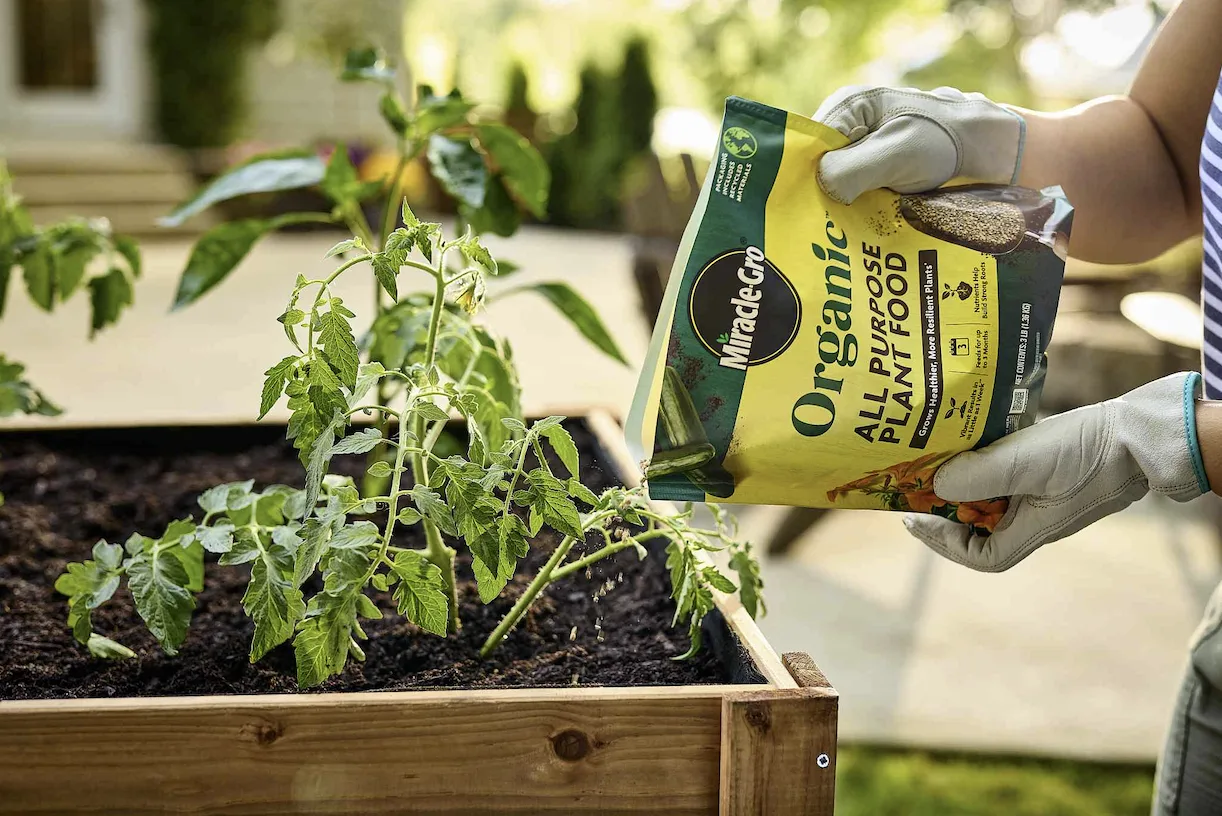
Many beginners use backyard soil in pots, but garden soil usually performs poorly inside containers. Natural soil can compact quickly, reduce oxygen movement, and slow drainage. Restricted roots then face stress, nutrient lockout, or rot.
Common problems caused by garden soil in containers:
Poor drainage after watering
Heavy weight on balconies or shelves
Hard crusting after drying
Weed seeds and pathogens
Slow root expansion
The University of Minnesota Extension recommends potting media for containers because structure remains more stable than field soil.
Many home growers pair quality soil with self watering planter boxes for easier moisture control.
What Is the Best Soil for Container Gardening?
The best container gardening soil is usually a soilless potting mix containing moisture-holding materials, aeration particles, and nutrient components. Most successful mixes balance water retention with fast drainage.
A strong container mix often includes:
Coco coir or peat moss for moisture retention
Perlite for aeration
Compost for organic nutrition
Bark fines for structure
Slow-release fertilizer when needed
The Food and Agriculture Organization (FAO) notes that substrate management is central to productive container and protected cultivation systems.
Many growers use raised garden planters with pre-mixed container media.
Best Soil Mix for Vegetables in Containers
Vegetables need consistent moisture and nutrient supply. Fruiting crops such as tomatoes or peppers need stronger feeding than herbs or lettuce.
| Crop Type | Recommended Soil Traits | Notes |
|---|---|---|
|
Tomatoes |
Rich, well-drained, stable |
Add compost |
|
Peppers |
Warm, airy, moderate moisture |
Avoid soggy mix |
|
Lettuce |
Moisture-retentive, light |
Frequent watering |
|
Herbs |
Fast drainage |
Avoid excess fertility |
|
Cucumbers |
Moist but airy |
Support heavy feeding |
The Penn State Extension advises matching fertility levels to crop demand rather than using one universal mix.
Vegetable growers often choose large outdoor planter pots to provide more root volume.
Best Soil for Flowers in Pots and Containers
Flowering plants need good drainage and steady nutrient release. Too much nitrogen may create leaves instead of blooms.
Recommended soil adjustments:
Add perlite for petunias and geraniums
Use compost for annual flower beds in containers
Improve drainage for succulents
Use bark-based mixes for some ornamentals
Refresh top layer each season
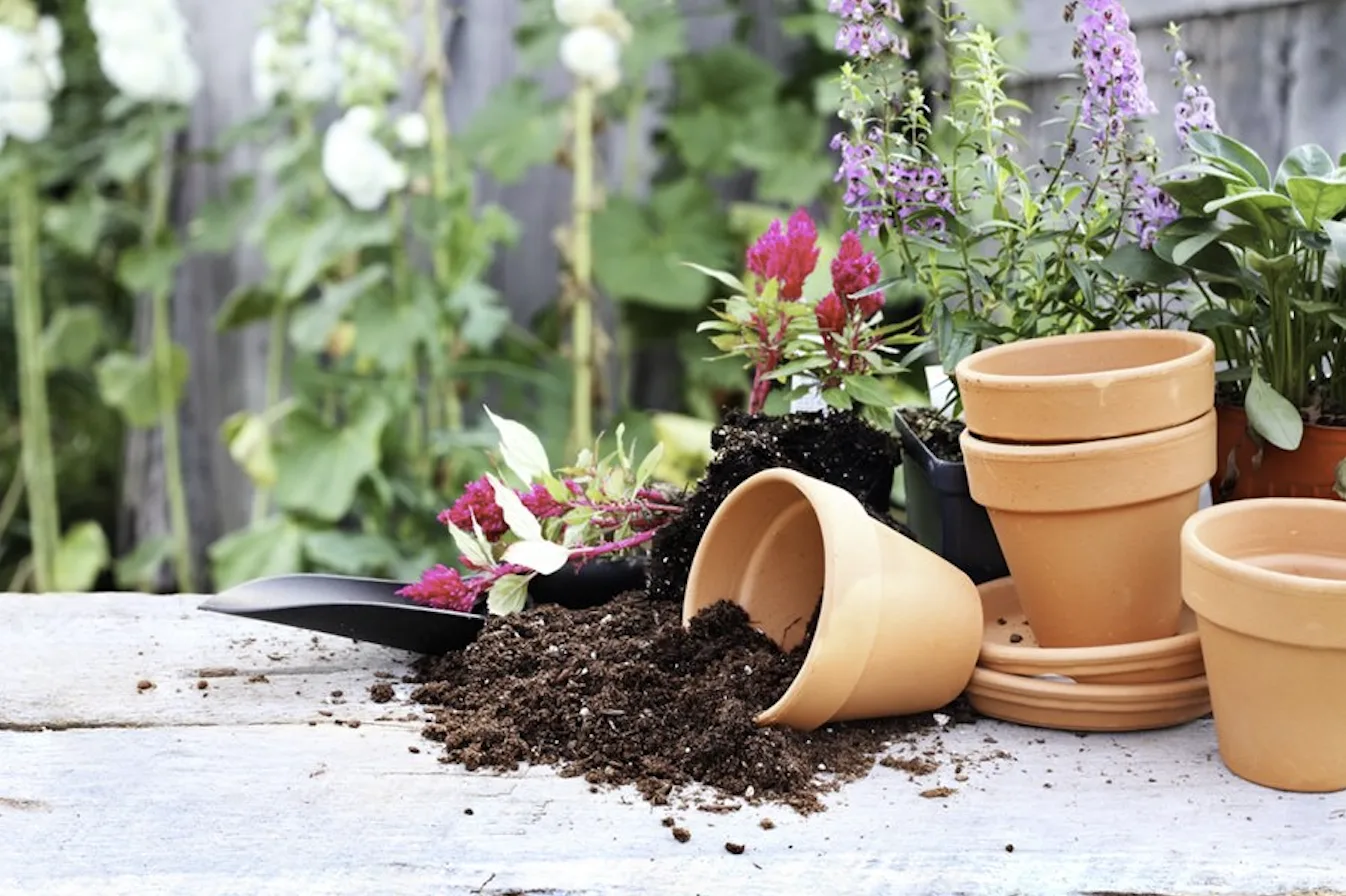
The Royal Horticultural Society emphasizes free-draining mixes for many flowering container plants.Decorative spaces often combine flowers with vertical garden planters for small patios and balconies.
Potting Soil vs Potting Mix for Container Gardening
Many labels use these terms interchangeably, but they can mean different products depending on region.
| Product Term | Typical Meaning | Best Use |
|---|---|---|
|
Potting Soil |
May contain composted soil materials |
Larger outdoor pots |
|
Potting Mix |
Usually soilless engineered media |
Most containers |
|
Seed Starting Mix |
Fine texture, low fertility |
Seedlings |
|
Cactus Mix |
Fast drainage |
Succulents |
The U.S. Environmental Protection Agency supports compost use and sustainable growing media choices where appropriate.
Apartment gardeners often prefer indoor herb planter kits with ready-use potting mix.
How to Make DIY Container Gardening Soil
A custom mix can reduce cost and fit specific plants. The mix should remain light and porous.
Basic DIY recipe:
40% coco coir or peat
30% compost
20% perlite
10% bark fines or vermiculite
Add balanced fertilizer if required
Mix thoroughly before filling containers. Moisten dry materials before use for better hydration.The USDA National Institute of Food and Agriculture supports substrate research focused on water efficiency and plant productivity.DIY gardeners often use stackable vertical planters with lightweight homemade mixes.
Common Container Soil Problems and Solutions
Even good mixes degrade over time. Organic particles break down and air space declines.
| Problem | Cause | Solution |
|---|---|---|
|
Water sits on top |
Compaction |
Refresh mix |
|
Leaves yellow |
Nutrient depletion |
Fertilize |
|
Pots dry too fast |
Too much perlite |
Add coir |
|
Fungus gnats |
Wet organic surface |
Improve drying cycle |
|
Root rot |
Poor drainage |
Reduce watering |
The CDC also recommends clean handling practices when growing edible plants at home.
Many growers rotate old media into garden beds and refill containers with premium planter soil systems.
How Often Should Container Soil Be Replaced?
Container soil does not last forever. Annual vegetables often perform better with fresh mix each season. Perennials may only need top-dressing and partial replacement.
General timing:
Annual vegetables: refresh yearly
Herbs: partial refresh every season
Houseplants: replace every 1–2 years
Trees in pots: root prune and renew in cycles
Fresh structure often matters more than fresh nutrients alone.
FAQ
1. Can regular soil be used for container gardening?
Regular garden soil is usually too dense for containers. It may compact, drain slowly, and restrict roots. A dedicated potting mix is usually a better choice for potted vegetables, flowers, and herbs.
2. What is the best soil for vegetable containers?
A lightweight potting mix with compost, coco coir, and perlite is commonly effective. Vegetables need both drainage and nutrient retention, especially in warm weather when containers dry faster.
3. How often should container soil be changed?
Many annual crops benefit from fresh soil every growing season. Houseplants and long-term ornamentals can often use partial replacement or top-dressing rather than full soil removal each year.
4. Is potting mix better than potting soil?
In many cases, yes. Potting mix is often engineered for container airflow and water balance. Potting soil may be heavier depending on formulation, so label review is important.
5. Can compost alone be used in containers?
Pure compost is usually too dense and can hold excess moisture. Compost works best as one ingredient blended with coir, perlite, bark, or other materials that improve structure.