Understanding the Modern Container Plant Factory
A Container Plant Factory is a modular, self-contained vertical farming unit housed within a shipping container, integrating advanced hydroponic systems and climate control technologies. This technology allows for year-round crop production regardless of external environmental conditions by utilizing Controlled Environment Agriculture (CEA). By isolating the growing space, these factories achieve water savings of up to 95% compared to traditional soil-based farming. Key components include specialized LED lighting, automated nutrient delivery, and real-time sensor monitoring. This decentralized agricultural model addresses food security challenges in urban areas and harsh climates, providing a predictable and scalable method for producing high-quality leafy greens, herbs, and strawberries.
Technical Architecture of Containerized Vertical Farming Systems
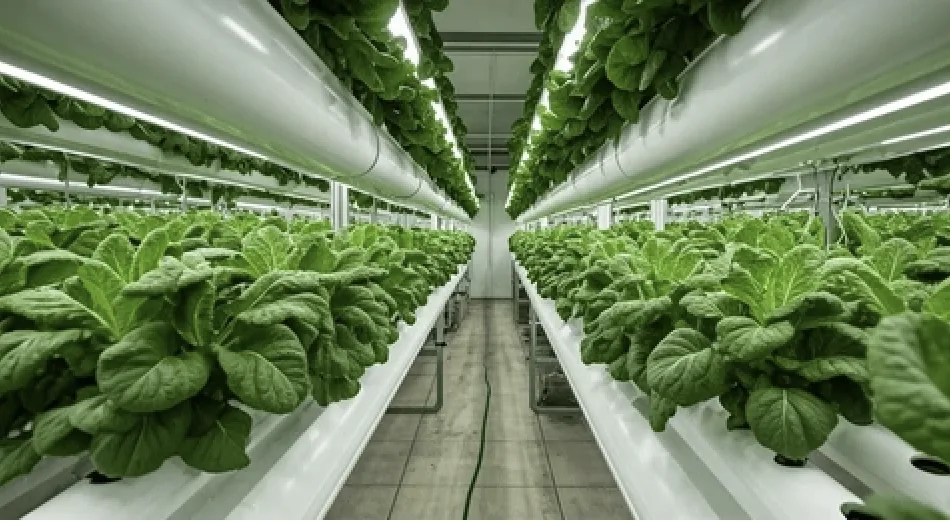
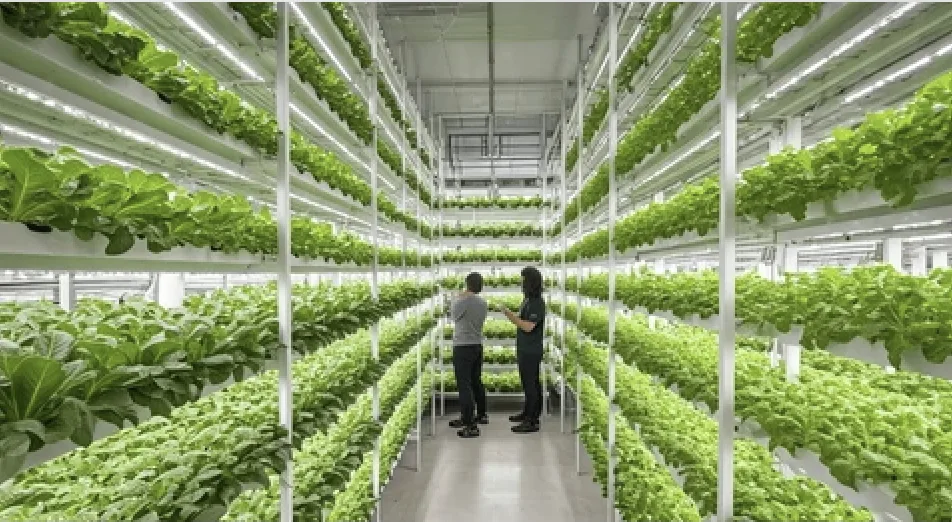
The internal structure of a Container Plant Factory relies on a synergy of mechanical and digital components. Most units utilize 40-foot high-cube shipping containers, retrofitted with thermal insulation and reflective interior surfaces to maximize light efficiency. The heart of the operation is the containerized vertical farming system, which organizes plants in stacked layers to optimize the cubic footprint. According to research from the United States Department of Agriculture (USDA), indoor farming environments can increase yields per square foot by 10 to 20 times over conventional fields. This spatial efficiency is maintained through high-precision HVAC units that regulate temperature, CO2 levels, and vapor pressure deficit (VPD).
Key Infrastructure Components
The following table outlines the essential hardware required for a functional container plant factory:
| Component | Technical Function | Primary Material/Technology |
| Cultivation Racks | Structural support for plant trays | Powder-coated Steel or Aluminum |
| LED Grow Lights | Photosynthetic Photon Flux Density (PPFD) control | Full-spectrum LED arrays |
| Fertigation Unit | Precision nutrient and water blending | Automated PLC controllers |
| HVAC System | Thermal and humidity regulation | Industrial-grade Heat Pumps |
| Monitoring Sensors | Data collection for EC, pH, and Temperature | IoT-integrated Wireless Sensors |
How Smart Climate Control Systems Function Inside Containers
Internal environmental stability is the primary advantage of a container-based farm. Unlike a glass greenhouse, which is subject to solar heat gain and external weather shifts, a container factory is a “closed-loop” system. The smart climate control system utilizes a network of sensors to maintain an optimal range for specific cultivars. For instance, leafy greens typically require temperatures between 18°C and 24°C with a relative humidity of 60% to 70%. By injecting CO2 to levels of 800-1000 ppm, growers can accelerate the rate of photosynthesis, significantly shortening the growth cycle from 60 days to 25-30 days for many lettuce varieties.
The integration of automated multi-span greenhouse technology logic within a compact container allows for remote management. Data from the sensors is processed by a central controller, which adjusts the fan speeds and cooling outputs in real-time. This level of precision prevents the development of tip-burn and other physiological disorders common in traditional farming. Recent 2026 industry benchmarks indicate that AI-driven climate optimization can reduce energy consumption by up to 15% through predictive cooling algorithms, making the operation more sustainable and cost-effective.
The Role of Hydroponic Nutrient Delivery in Urban Farming
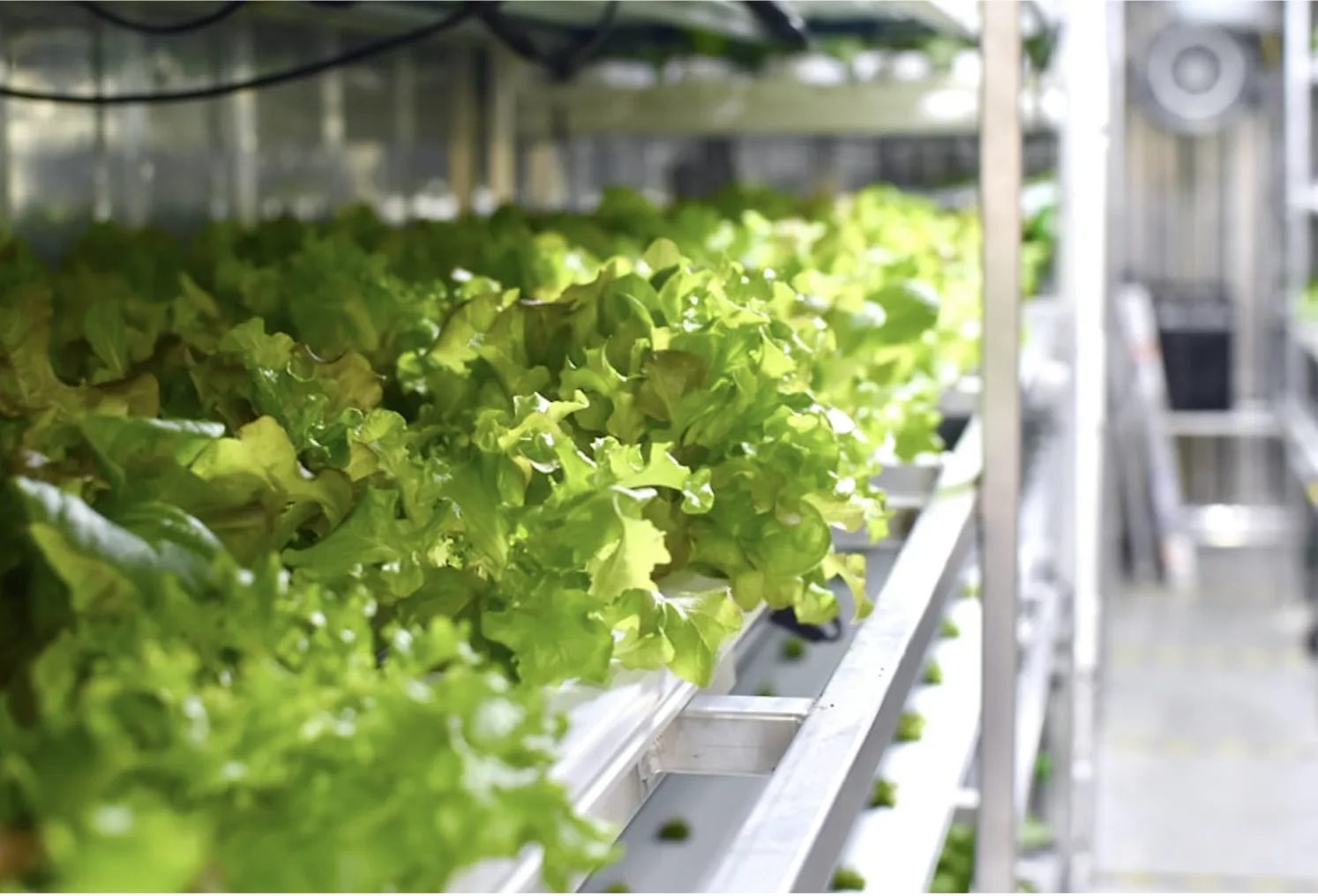
In a container plant factory, soil is replaced by an aqueous nutrient solution or an inert substrate. The most common method used is the Nutrient Film Technique (NFT) or Deep Water Culture (DWC). A specialized hydroponic nutrient delivery system ensures that the plant roots receive a constant supply of dissolved oxygen and essential minerals. This direct-to-root delivery eliminates the energy plants usually expend searching for nutrients in soil, redirecting that energy toward foliage and fruit growth. Research published by Cornell University’s College of Agriculture demonstrates that hydroponic systems use significantly less water because the solution is captured, filtered, and recirculated rather than leaching into the ground.
Resource Efficiency Comparison
Current data suggests a stark contrast in resource utilization between containerized systems and open-field agriculture:
| Resource Factor | Traditional Open-Field | Container Plant Factory | Efficiency Gain |
| Water Usage (L/kg) | ~250 Liters | ~12 Liters | 95.2% Reduction |
| Land Required | 100% (Baseline) | 5% – 8% | 90%+ Space Saving |
| Growth Cycle (Lettuce) | 60-70 Days | 25-30 Days | 50% Faster |
| Pesticide Application | High/Frequent | Zero to Minimal | 99% Reduction |
Lighting Optimization with Full-Spectrum LED Technology
Since container farms lack natural sunlight, the full-spectrum LED technology acts as the sole energy source for the crops. Modern LEDs are engineered to provide specific wavelengths—primarily blue (400-500 nm) for vegetative growth and red (600-700 nm) for flowering and biomass accumulation. The Department of Energy (DOE) highlights that advancements in LED efficiency have made indoor farming economically viable by increasing the lumens-per-watt ratio. Unlike the broad spectrum of a PC board greenhouse, container lights can be dimmed or tuned to match the “light recipe” required by a specific plant species at different growth stages.
The strategic placement of LEDs within the vertical racks ensures uniform light distribution, preventing “shading” effects often seen in traditional fields. This uniformity leads to a crop that is consistent in size, flavor, and nutritional content. Furthermore, the heat generated by LEDs is significantly lower than traditional High-Pressure Sodium (HPS) lamps, allowing the lights to be placed closer to the plant canopy without causing heat stress. This proximity is essential for maintaining high density in the single-span greenhouse style layout used within the narrow confines of a shipping container.
Scalability and Modular Expansion of Plant Factory Units
A significant benefit of this technology is its modularity. Multiple container units can be stacked or arranged in arrays to scale production rapidly. This “plug-and-play” nature allows businesses to start with a single modular plant factory unit and expand as market demand grows. According to the International Society for Horticultural Science (ISHS), the modularity of container farms facilitates “distributed agriculture,” where food is grown in the same neighborhood where it is consumed, drastically reducing the “food miles” and carbon footprint associated with long-distance transportation and cold-chain logistics.
The infrastructure required to support a fleet of container farms includes a stable power grid connection (or renewable energy source), a clean water supply, and a level surface for placement. Each container operates as an independent biosecure zone. If a pest or disease enters one unit, it remains isolated, protecting the rest of the facility from contamination. This biosecurity is a major advantage for commercial growers who must guarantee a steady, pesticide-free supply to retailers and restaurants. The integration of a hanging strawberry system within these units is also becoming more common for high-value fruit production.
FAQ
What crops are most suitable for a container plant factory?
The most economically viable crops include leafy greens (lettuce, kale, spinach), microgreens, and culinary herbs (basil, mint). These plants have a short growth cycle and high harvest index. Recent advancements have also enabled the successful commercial cultivation of strawberries and certain dwarf varieties of tomatoes and peppers in these modular environments.
How does a container farm maintain biosecurity?
Biosecurity is maintained through a sealed environment and strict entry protocols. Since the container is isolated from external soil and air, the risk of soil-borne pathogens and common agricultural pests is minimized. Many units include air filtration systems and UV-C water sterilization to ensure the growing environment remains sterile and free from contaminants.
Can container plant factories run on renewable energy?
Yes, container farms are highly compatible with solar, wind, or battery storage systems. Because they are modular and have a defined power draw, many operators integrate solar arrays on the roof of the facility to offset electricity costs. This integration is vital for achieving carbon-neutral food production in remote or off-grid locations.
What is the average lifespan of a containerized farming unit?
The structural shipping container typically lasts 20-25 years with proper anti-corrosion maintenance. The internal components, such as LED lights and sensors, have varied lifespans; high-quality LEDs are rated for 50,000 to 100,000 hours. Regular calibration of the fertigation and HVAC systems ensures the facility operates at peak efficiency for over a decade.
How much labor is required to operate one unit?
Modern container farms are highly automated, requiring approximately 15-20 hours of labor per week for tasks such as seeding, harvesting, and system cleaning. The use of cloud-based monitoring allows operators to manage climate settings via smartphone, reducing the need for constant on-site supervision and allowing one technician to oversee multiple containers.