
Metal containers have become a popular choice for modern gardeners, offering a sleek aesthetic and robust durability. From galvanized steel troughs to elegant copper pots, these planters can transform any space, be it a balcony, patio, or urban garden. However, planting in metal containers comes with its unique set of considerations, primarily due to their thermal properties. Understanding what plants thrive in these conditions and how to mitigate potential challenges is key to cultivating a successful and vibrant metal container garden.
The Allure and Challenges of Metal Containers
Metal containers are lauded for their longevity and contemporary appeal. They are resistant to cracking, rotting, and pest damage, often outlasting their plastic or wooden counterparts. Their non-porous nature also means less water evaporation through the sides, which can be an advantage in some climates. However, the primary challenge lies in metal’s excellent thermal conductivity. In direct sunlight, metal can heat up significantly, potentially scorching plant roots and drying out the soil rapidly . Conversely, in cooler weather, they can retain cold, slowing down plant growth.
Advantages of Metal Containers
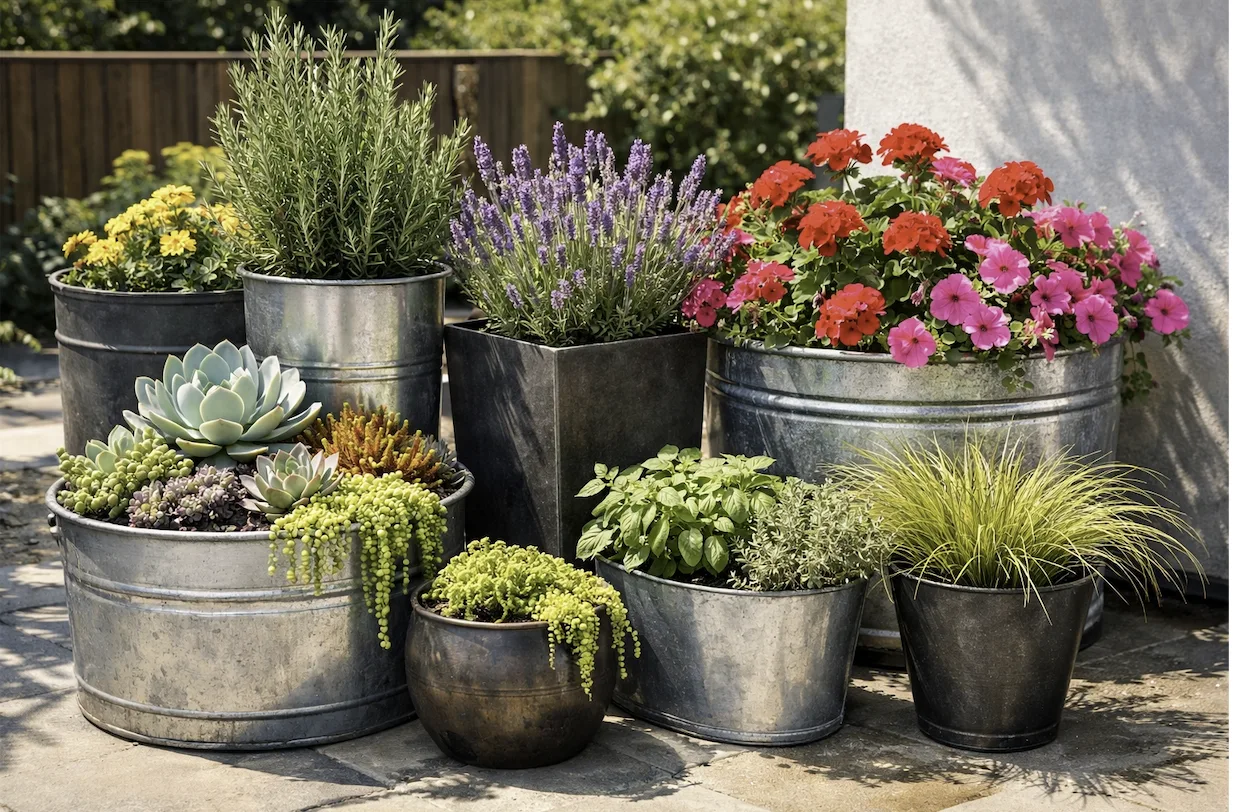
Metal containers offer several benefits that make them an attractive option for gardeners:
•Durability and Longevity: Unlike wood or plastic, metal resists rot, pests, and UV degradation, ensuring a longer lifespan for your planters.
•Modern Aesthetic: Their clean lines and industrial look complement contemporary garden designs, adding a sophisticated touch.
•Pest Resistance: Metal acts as a barrier against burrowing pests, protecting root systems.
•Moisture Retention: The non-porous surface helps retain soil moisture, reducing the frequency of watering compared to porous materials like terracotta.
Disadvantages and Considerations
Despite their advantages, metal containers require careful management:
•Temperature Fluctuations: Metal heats up quickly in the sun and cools down rapidly, leading to extreme soil temperatures that can harm roots .
•Weight: Larger metal containers, especially when filled with soil, can be very heavy and difficult to move.
•Drainage: Many metal containers do not come with pre-drilled drainage holes, which are essential to prevent waterlogging and root rot. These must be added manually.
•Corrosion: While galvanized or powder-coated metals are rust-resistant, untreated metals can corrode over time, potentially leaching elements into the soil.
Selecting the Right Plants for Metal Containers
The key to success in metal containers is choosing plants that can tolerate or even thrive in fluctuating soil temperatures and potentially drier conditions. Heat-tolerant and drought-resistant species are often the best candidates.
Heat-Loving and Drought-Tolerant Plants
Plants that naturally thrive in warm, sunny conditions are excellent choices for metal containers, especially in areas with intense summer heat:
•Succulents and Cacti: These plants are perfectly adapted to hot, dry environments and will flourish in metal containers. Varieties like Sedum, Echeveria, and various cacti species require minimal water and can withstand high temperatures.
•Mediterranean Herbs: Herbs such as Lavender, Rosemary, Thyme, and Oregano are native to hot, arid regions and prefer well-drained soil and plenty of sun. Their aromatic foliage also adds a delightful sensory element to your garden.
•Heat-Tolerant Annuals: Flowers like Geraniums, Petunias, Marigolds, and Zinnias are known for their ability to withstand summer heat and provide continuous blooms throughout the season .
Edibles and Ornamentals
Many edible plants and ornamental grasses can also thrive in metal containers with proper care:
•Vegetables: Peppers, cherry tomatoes, and bush beans can be successfully grown in larger metal containers. Ensure adequate watering and choose compact varieties.
•Ornamental Grasses: Varieties like Blue Fescue or Fountain Grass add texture and movement to container arrangements and are generally quite resilient.
•Acid-Loving Plants: While less common, plants like Azaleas or Rhododendrons can be grown in metal containers if you carefully manage soil pH with appropriate potting mixes .
Essential Strategies for Successful Metal Container Gardening
To mitigate the challenges posed by metal containers and ensure your plants flourish, implement these crucial tips:
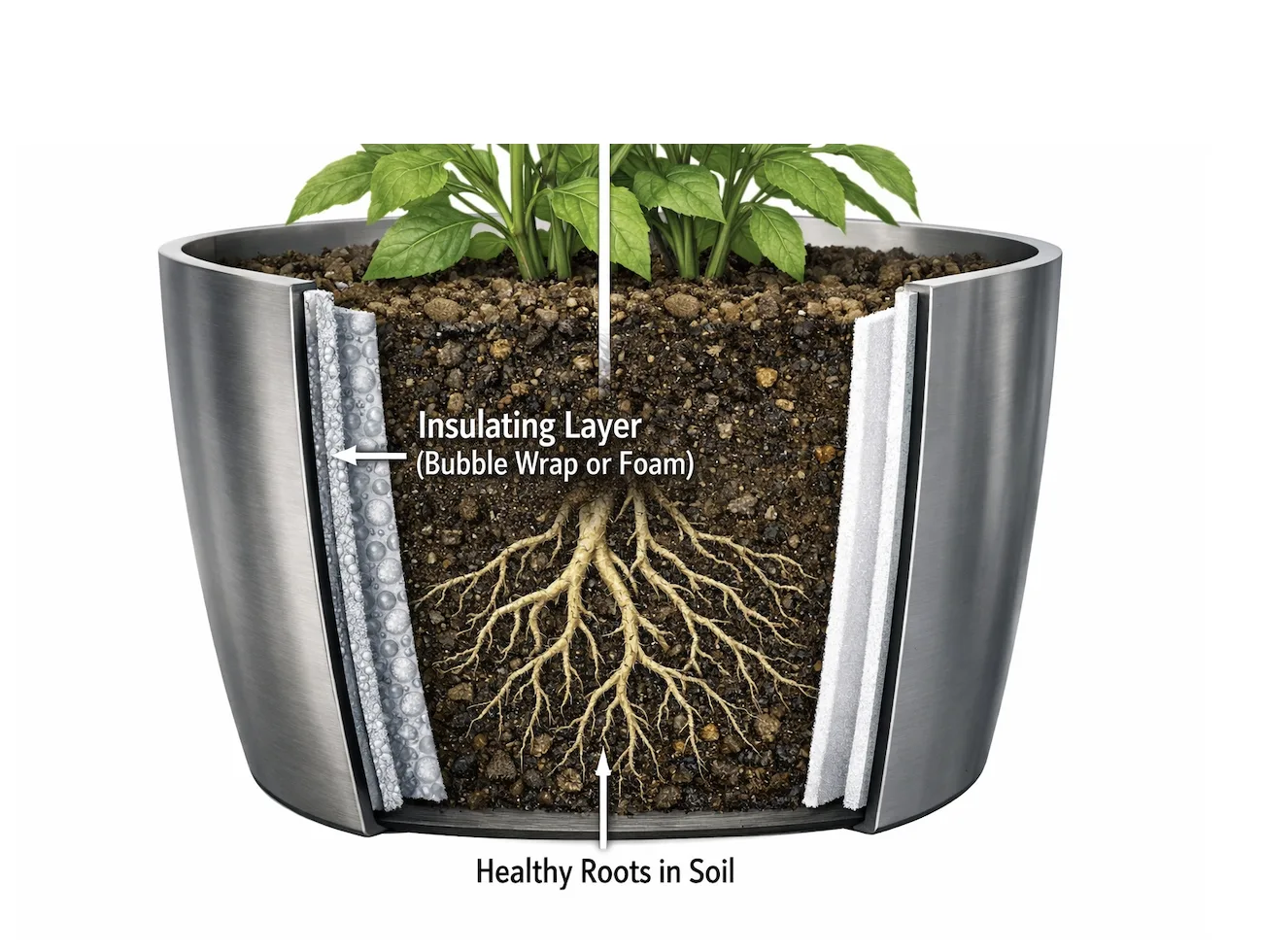
•Insulation is Key: To protect roots from extreme temperatures, line the inside of your metal container with insulating materials. Options include bubble wrap, landscape fabric, or thin sheets of foam. This creates a buffer against both heat and cold .
•Ensure Proper Drainage: This cannot be overstated. Metal containers must have drainage holes to prevent waterlogging. If your container doesn’t have them, drill several holes in the bottom. Elevate the container using pot feet or bricks to allow water to escape freely.
•Choose Lighter Colors: Lighter-colored metal containers (e.g., silver, white) reflect more sunlight and absorb less heat than darker ones (e.g., black, dark grey). Consider this when selecting your containers, especially in hot climates.
•Use High-Quality Potting Mix: A well-draining, high-quality potting mix is essential. Avoid heavy garden soil, which can compact and hinder drainage in containers. Adding perlite or vermiculite can further improve aeration and drainage.
•Strategic Watering: Metal containers can cause soil to dry out faster, especially the top layers. Monitor soil moisture daily, particularly during hot spells. Water thoroughly early in the morning or late in the evening to minimize evaporation .
•Mulch: Apply a layer of mulch (e.g., wood chips, straw, or decorative stones) on top of the soil. Mulch helps retain moisture, regulate soil temperature, and suppress weeds.
FAQs
Do metal containers get too hot for plants?
Yes, metal containers can get very hot in direct sunlight, especially dark-colored ones, which can damage plant roots. Using insulation, choosing lighter-colored containers, and strategic watering can help mitigate this issue.
Is galvanized metal safe for growing edibles?
Modern galvanized steel is generally considered safe for growing edibles. The zinc coating is tightly bonded and releases minimal amounts into the soil. However, if you are concerned, you can line the container with food-grade plastic or choose powder-coated options.
How do I prevent rust in metal containers?
Choose galvanized steel, stainless steel, or powder-coated aluminum containers, as these are designed to resist rust. Ensure proper drainage to prevent standing water, which can accelerate corrosion.
What kind of drainage do metal containers need?
All metal containers need adequate drainage holes at the bottom to prevent water from accumulating and causing root rot. Elevating the container slightly can also improve drainage.
Can I use regular garden soil in metal containers?
It is not recommended to use regular garden soil in containers, including metal ones. Garden soil can become compacted in pots, leading to poor drainage and aeration, which is detrimental to plant health. Always opt for a high-quality potting mix.
About Miilkiia
At Miilkiia, we are passionate about sustainable cultivation and innovative agricultural solutions. As a specialized manufacturer of hydroponic systems, greenhouse structures, and vertical plant wall solutions, we support growers, project developers, and green innovators worldwide. Our integrated systems are designed to boost yield with more harvest cycles, ensure all-weather thermal stability, and provide long-term energy and labor savings.
Discover how Miilkiia can help you achieve consistent, year-round growth and succeed in modern farming and urban greening.
Browse our product catalog to find what you need most, or you can visit our product blog for the latest and most comprehensive product information.