
Small containers offer a fantastic opportunity to bring greenery and life into compact spaces, whether it’s a tiny balcony, a sunny windowsill, or a cozy
patio. They provide flexibility, allowing you to move plants as needed and experiment with various arrangements. However, the limited soil volume in small pots presents unique challenges, primarily related to moisture retention and nutrient availability. Choosing the right plants and understanding specific care techniques are crucial for cultivating a thriving miniature garden. This guide explores the best plants for small containers and essential tips to ensure their success.
The Charm and Challenges of Small Container Gardening
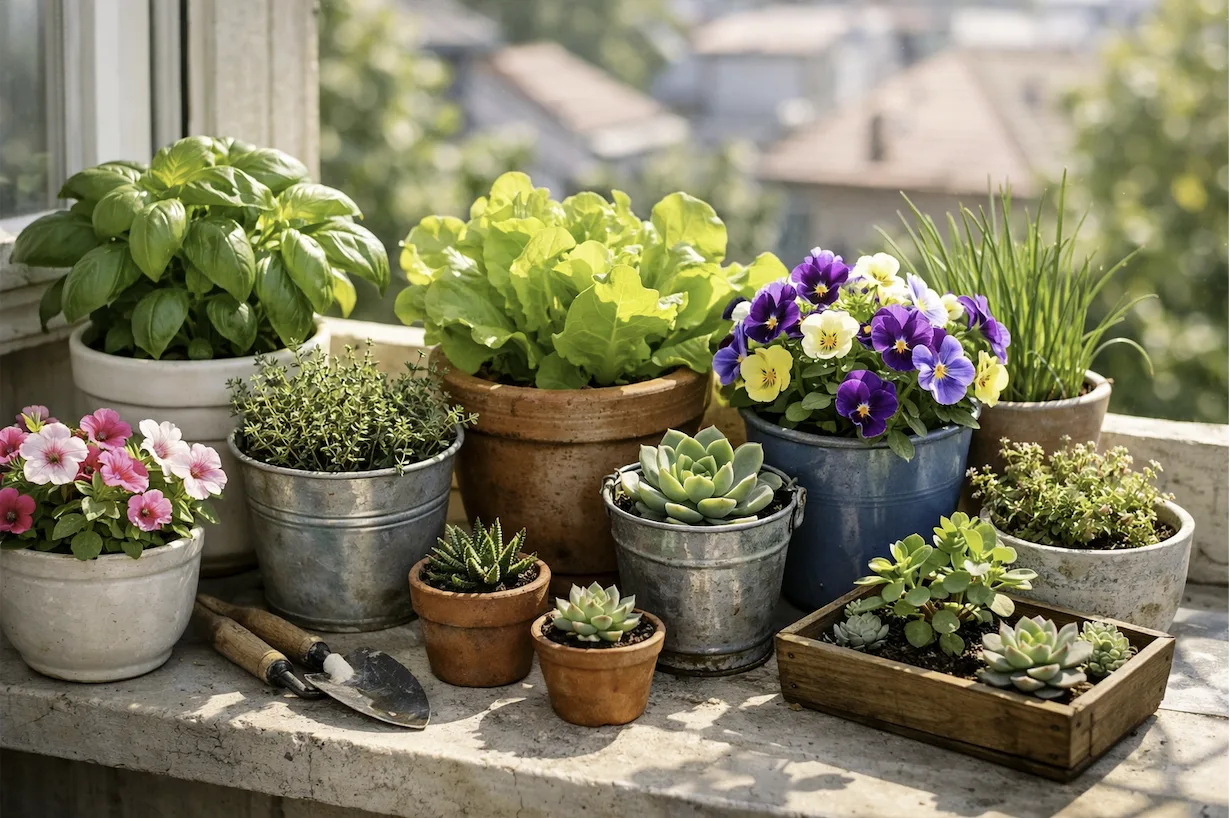
Small containers are more than just decorative elements; they are functional tools for urban gardeners and those with limited space. They allow for personalized plant displays, easy pest management, and the ability to create micro-climates. Yet, their diminutive size means they dry out faster and have fewer nutrients compared to larger pots or garden beds.
Advantages of Small Containers
•Space Efficiency: Ideal for balconies, windowsills, desks, and other compact areas.
•Portability: Easy to move indoors during harsh weather or to optimize sunlight exposure.
•Versatility: Perfect for creating diverse arrangements and experimenting with different plant combinations.
•Pest and Disease Control: Easier to isolate and treat affected plants, preventing spread.
Challenges of Small Containers
•Rapid Drying: Small soil volume means less water retention, requiring more frequent watering .
•Nutrient Depletion: Nutrients leach out quickly with frequent watering, necessitating regular fertilization.
•Root Bound: Plants can quickly outgrow their small containers, becoming root-bound and stunted.
•Temperature Fluctuations: Soil in small pots is more susceptible to extreme temperature changes, both hot and cold.
Top Plant Choices for Small Containers
When selecting plants for small containers, prioritize those with compact growth habits, shallow root systems, or a tolerance for drier conditions. Here are some excellent options:
Culinary Herbs: Freshness at Your Fingertips
Herbs are perhaps the most popular choice for small containers due to their compact size and frequent use in cooking. Many thrive on windowsills or small sunny spots:
•Basil: A warm-weather annual that loves sun. Pinch back regularly for bushier growth.
•Thyme & Oregano: Drought-tolerant perennials that prefer well-drained soil.
•Chives & Parsley: Easy to grow and provide continuous harvests. Parsley prefers slightly more moisture.
•Mint: While vigorous, mint can be contained in its own small pot, preventing it from taking over other plants .
Leafy Greens: Harvest Your Own Salad
Many leafy greens can be grown in surprisingly small containers, offering a continuous supply of fresh produce:
•Lettuce & Spinach: Fast-growing and can be harvested as
cut-and-come-again. Ideal for shallow containers.
•Arugula & Baby Kale: Quick to mature and add a peppery or slightly bitter kick to salads.
Dwarf Vegetables: Big Flavor in Small Packages
For those craving fresh vegetables, several compact varieties are perfect for small pots:
•“Tiny Tim” or “Micro Tom” Tomatoes: These dwarf tomato varieties are specifically bred for container growing and produce an abundance of small, sweet fruits .
•Dwarf Peppers: Look for compact bell or chili pepper varieties that don’t require extensive space.
•Radishes & Spring Onions: Quick-growing root vegetables and alliums that can be harvested in a few weeks.
Flowers: Adding Color and Charm
Small flowering plants can brighten any space. Consider their light requirements when choosing:
•Full Sun (6+ hours): Petunias, Marigolds, Geraniums, Portulaca (Moss Rose).
•Partial Shade (3-6 hours): Impatiens, Begonias, Lobelia, Pansies, Violas.
Succulents: Low Maintenance Beauty
Succulents are an excellent choice for small, shallow containers due to their minimal water needs and diverse forms. Echeveria, Sedum, Haworthia, and small Aloe Vera plants create stunning, low-maintenance displays.
Essential Care Tips for Small Container Gardens
Success with small containers hinges on consistent and attentive care:
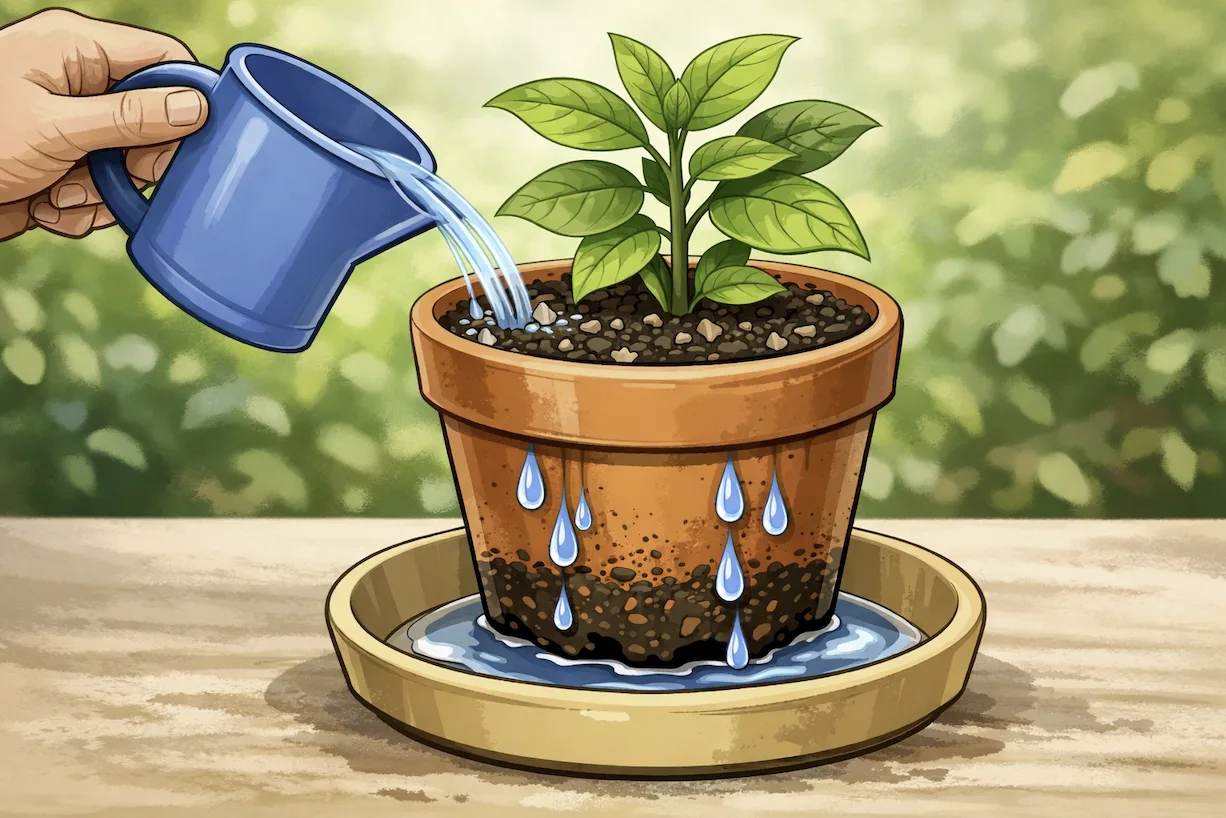
•Watering Frequency: Small pots dry out rapidly. Check the soil daily, and be prepared to water once or even twice a day during hot, dry weather. Feel the top inch of soil; if it’s dry, it’s time to water.
•Fertilization: With frequent watering, nutrients are quickly leached from the soil. Use a balanced liquid fertilizer every 2-4 weeks during the growing season to replenish essential nutrients.
•High-Quality Potting Mix: Always use a premium, well-draining potting mix. Garden soil is too heavy and can compact, suffocating roots in small containers. A good potting mix provides aeration and retains moisture effectively.
•Ensure Drainage: Every small container must have drainage holes to prevent waterlogging and root rot. If your pot lacks them, drill a few before planting.
•Strategic Placement: Small pots are portable! Move them to follow the sun throughout the day or to provide shade during the hottest parts of the afternoon. This flexibility is a major advantage of small container gardening.
•Repotting: Keep an eye on your plants. If they become root-bound (roots circling the bottom of the pot), it’s time to either move them to a slightly larger container or prune their roots and replant them in the same pot with fresh soil.
Frequently Asked Questions
How often should I water plants in small containers?
Plants in small containers typically need watering daily, and sometimes twice a day during hot weather, as the small volume of soil dries out quickly. Always check the top inch of soil for dryness before watering.
Can I grow vegetables in very small pots?
Yes, you can grow certain dwarf vegetable varieties like “Tiny Tim” tomatoes, small peppers, radishes, and leafy greens in relatively small pots (1-2 gallon size). Ensure the pot has good drainage and provide consistent watering and feeding.
What kind of soil is best for small containers?
A high-quality, lightweight potting mix specifically designed for containers is best. Avoid heavy garden soil, which can compact and hinder drainage and aeration in small pots.
Do small containers need drainage holes?
Absolutely. All containers, especially small ones, require drainage holes to prevent water from accumulating at the bottom, which can lead to root rot and plant death.
How do I prevent my small container plants from becoming root-bound?
Monitor your plants for signs of being root-bound. Repot them into a slightly larger container or prune their roots and replant with fresh potting mix when necessary.
About Miilkiia Plant Container Manufacturer
At Miilkiia, we are passionate about sustainable cultivation and innovative agricultural solutions. As a specialized manufacturer of hydroponic systems, greenhouse structures, and vertical plant wall solutions, we support growers, project developers, and green innovators worldwide. Our integrated systems are designed to boost yield with more harvest cycles, ensure all-weather thermal stability, and provide long-term energy and labor savings. Discover how Miilkiia can help you achieve consistent, year-round growth and succeed in modern farming and urban greening. Visit us at to learn more.